As the temperatures drop in Waterloo, mice start looking for a warm place to spend the season — and your home is often their first choice.
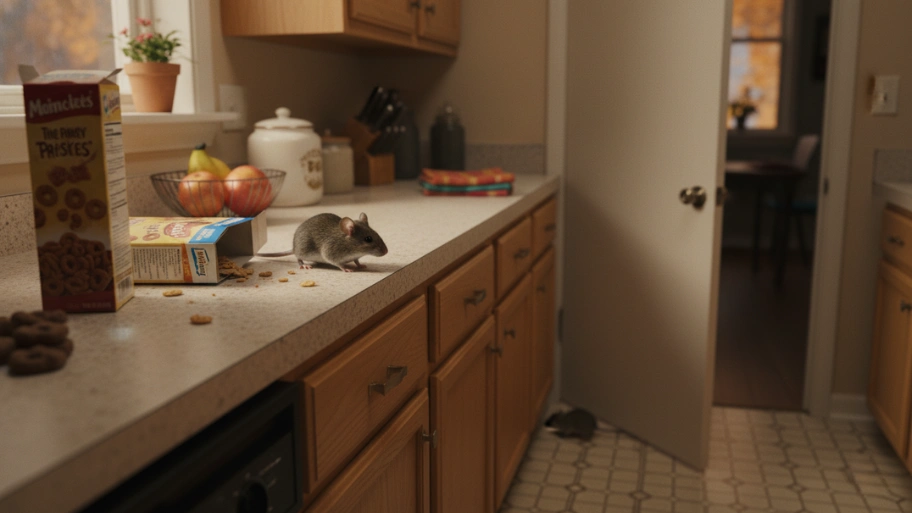
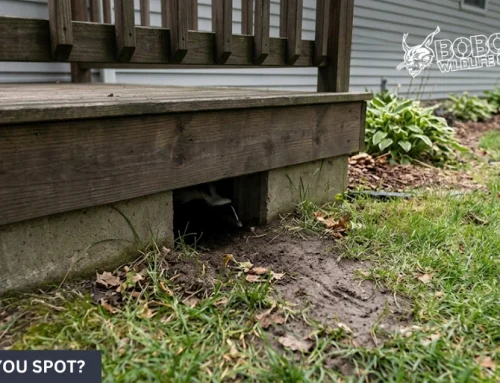
Even a gap no wider than a pencil can give them access through foundations, garage doors, or utility openings. Once inside, they’ll find food crumbs, pet kibble, and cozy clutter to settle in fast.
That faint scratching you hear in the walls? It’s usually the first sign they’ve moved in.That faint scratching you hear in the walls? It’s usually the first sign they’ve moved in.
Stopping them early is easier than most homeowners think. A quick inspection and a few fall maintenance steps can go a long way in keeping them out.
At Bobcat Wildlife & Pest Management, our Waterloo team helps families seal off entry points, remove attractants, and protect their homes with proven, long-term solutions.
Here’s what actually helps — and how to tell when it’s time to bring in a professional.
What You’ll Learn About Keeping Mice Out:
Quick Answer — What Actually Keeps Mice Out This Fall
If you’ve started hearing light scratching in the walls or spotting tiny droppings in the pantry, don’t stress — most mouse problems start small and can be handled quickly with a few simple changes.
Here’s how to keep mice out of your house in Waterloo before they turn into a bigger issue.
1. Seal every gap or crack.
Even the smallest openings can invite mice indoors. Check along foundations, garage doors, dryer vents, and around plumbing lines.
Use steel wool or weather-resistant caulk to block every entry point you can find.
2. Store food securely and clean up crumbs.
Mice can smell open food from far away. Keep pantry staples, snacks, and pet food in sealed containers.
Keep kitchen surfaces clean, floors crumb-free, and trash bins emptied to reduce what attracts mice indoors.
3. Declutter and clear outdoor hiding spots.
Reduce clutter in basements, attics, and storage areas, and keep the perimeter of your home clear.
Trim bushes, rake away leaves, and move woodpiles farther from exterior walls. A tidy yard gives rodents fewer spots to hide.
These quick fixes make a big difference before winter hits. If you’re still hearing activity or spotting new signs, Bobcat Wildlife & Pest Management can inspect your home, seal hidden gaps, and set up a prevention plan that keeps mice out for good.
Early Warning Signs You Might Already Have Mice Indoors
Even spotless homes in Waterloo can attract mice once the fall chill sets in. These pests often sneak in through gaps you’d never notice and stay hidden until the signs start to add up.
Catching the early warning signs makes a huge difference — the sooner you act, the easier it is to stop an infestation before it grows. Watch for these common indicators of mouse activity in your Waterloo home:
Scratching or rustling after dark.
Because mice are most active at night, you’ll often hear them in the walls, ceilings, or attic once the house quiets down.
Tiny droppings near food and storage spots.
Check behind appliances, under sinks, and around pet food bowls. Fresh droppings are a clear sign of nearby nesting and feeding.
Gnawed materials and shredded debris.
Bits of paper, insulation, or fabric pulled into piles often signal that mice are building nests inside your home.
A light, musty odor.
A lingering stale smell can mean there’s hidden mouse activity behind walls or in crawl spaces.
Spotting just one mouse doesn’t mean your home is unclean — it simply means they’ve found a way inside. Acting quickly is key, since a single pair can multiply fast once they settle in.
If you’ve noticed any of these signs, Bobcat Wildlife & Pest Management can help.
Our Waterloo mouse removal experts inspect your home, locate and seal entry points, and use humane, long-term methods to keep your space rodent-free through the colder months.
Where Mice Usually Hide in Waterloo Homes
Once you’ve spotted the first signs of mice, the next step is figuring out where they’re nesting. Mice don’t wander randomly — they look for spots that offer warmth, shelter, and a nearby food source.
Finding their favorite hiding places early makes fall pest control much easier and helps stop a small problem from becoming an infestation.
In homes around Waterloo and nearby areas, the most common species — the house mouse and the white-footed mouse — prefer quiet, insulated spaces close to food or moisture. Here are some of their go-to hiding spots:
Basements and garages.
These areas often have stored boxes, cracks along walls, and easy access from outside — all perfect conditions for nesting.
Behind or beneath appliances.
Warmth from your refrigerator, oven, or washer and dryer attracts mice looking for a protected place to hide.
Under sinks and inside cabinets.
The combination of water lines, crumbs, and trash bins creates ideal conditions for mice to nest unnoticed.
Attics and crawl spaces.
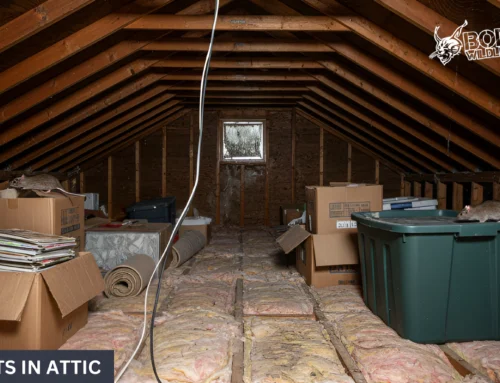
Soft insulation and undisturbed corners make these quiet spaces a top choice for overwintering mice.
Near furnaces and water heaters.
Utility areas stay consistently warm and provide just enough cover to attract nesting activity.
Knowing these hiding spots helps you stay one step ahead. Taking a few minutes each season to inspect them can reveal early activity before it spreads.
If you’re not sure where the mice are getting in, Bobcat Wildlife & Pest Management can help. Our Waterloo pest control team performs detailed inspections, locates every entry point, and seals them using safe, proven methods designed for Iowa homes.
5 Expert-Backed Tips to Keep Mice Away From Your Home This Fall
Now that you know where mice tend to hide, it’s time to make your Waterloo home less appealing to them.
These simple steps are based on what our local team at Bobcat Wildlife & Pest Management sees most often during Iowa’s fall season — when colder weather drives mice indoors in search of warmth and food.
Whether you prefer to handle prevention yourself or bring in professionals, here’s how to keep mice out before winter fully settles in.
1. Seal Gaps and Cracks Before Mice Find Them
The most effective defense is keeping mice from getting inside at all. They can squeeze through gaps as small as a pencil — around vents, pipes, door frames, and foundation joints.
Walk the inside and outside of your home with a flashlight and seal even the smallest openings using steel wool, caulk, or metal mesh.
Many Waterloo homes develop tiny separations near siding, basement windows, or garage doors once temperatures drop and materials shift.
If tracking down every gap feels overwhelming, Bobcat Wildlife & Pest Management offers professional exclusion services that find and seal hard-to-spot entry points for good.
2. Store Food and Pet Supplies Properly
Food odors attract mice faster than anything else. Keep grains, snacks, and pet food in airtight containers rather than open bags.
Even small spills or leftover pet kibble can draw rodents overnight.
Build a quick routine of cleaning kitchen surfaces, sweeping up crumbs, and taking out trash regularly — these simple habits make your home far less appealing to pests.
3. Keep Your Home and Yard Clutter-Free
Mice love hidden, cluttered spaces. Inside, tidy up storage rooms, basements, and attics so you can easily spot early activity.
Outdoors, rake leaves, trim shrubs touching your siding, and move firewood or boxes away from exterior walls.
Clean gutters to prevent buildup that could attract nesting pests.
A simple fall cleanup routine can do wonders for keeping mice away once the temperatures drop.
4. Use Natural Repellents as an Extra Layer of Defense
If you prefer eco-friendly approaches, try peppermint oil, cloves, or vinegar-soaked cotton balls near doors, under sinks, and behind appliances.
Their scent discourages mice from nesting in those spots.
Keep in mind, though — natural repellents are best used for prevention, not for existing infestations. Combine them with sealing and cleaning for lasting results.
5. Set Traps or Call a Professional for Ongoing Activity
If you’re already noticing scratching sounds or droppings, acting fast is important.
You can try snap traps or enclosed humane traps for minor issues, but recurring activity usually means more are hiding nearby.
That’s when calling in the Waterloo mouse control experts at Bobcat Wildlife & Pest Management makes the biggest difference. We’ll inspect your home, identify entry points, and apply humane, long-term solutions that keep mice out for good.
Why Fall Is the Time to Act
There’s a reason pest control experts recommend taking action in the fall. As temperatures drop across Waterloo and the Cedar Valley, mice begin searching for warm, undisturbed areas to nest — and once they settle indoors, they’re tough to evict.
Most mouse infestations in eastern Iowa start between late September and November, when food outdoors becomes scarce and rodents begin slipping into homes, garages, and storage sheds.
This is when they quietly find their way into walls, basements, and kitchens, often going unnoticed until winter is in full swing.
Addressing the issue early is the key to keeping your home mouse-free.
Simple steps like inspecting storage areas, sealing small cracks, and keeping clutter under control during the fall can stop problems before they begin — saving you from unwanted noise, gnawing damage, and cleanup headaches later in the season.
When to Call a Waterloo Mice Removal Expert
Even with all the right preventive steps, mice can sometimes still find a way indoors. When that happens, calling a professional early is the best way to stop the issue before it spreads.
You should reach out to a Waterloo mice removal expert if:
You’ve sealed cracks, cleaned thoroughly, and set traps but still notice droppings or hear movement inside walls.
Mice return every fall even after repeated prevention efforts.
You find nesting signs like shredded paper, chewed wires, or insulation pulled apart.
The problem spreads into basements, attics, or crawl spaces where DIY methods can’t reach.
Our Bobcat Wildlife & Pest Management team in Waterloo knows exactly how local house mice and white-footed mice behave — where they enter, what draws them in, and how to stop them at the source.
Using proven exclusion methods and humane removal techniques, we safely eliminate infestations and set up long-term protection to help prevent future problems.
If you’re searching for trusted ways to keep mice out of your house this fall, Bobcat Wildlife & Pest Management offers full-service solutions — from detailed inspections to year-round protection plans — so your home stays mouse-free and worry-free all season long.
Quick FAQs Homeowners Ask in Fall
Peppermint oil, cloves, and vinegar are natural ways to keep mice away from your home.
Their strong scent overwhelms a mouse’s sense of smell, discouraging them from nesting near doors, under sinks, or in cabinets.
Replace cotton balls every few days, and combine this method with sealing gaps to prevent re-entry — the most reliable approach for long-term fall pest control in Waterloo.
Not always. While some may leave when outdoor conditions improve, most stay if they’ve already built nests or found steady food sources inside.
Mice are opportunistic — once they feel safe, they’ll remain indoors year-round.
If you’re still hearing activity in spring, contact Bobcat Wildlife & Pest Management to safely remove them and inspect for hidden nesting spots.
The best time for fall pest control in Waterloo is early fall — ideally between late September and mid-October.
Acting before temperatures drop allows you to seal entry points, store food properly, and remove outdoor clutter before mice move in.
Scheduling preventive treatments early saves you from mid-winter infestations and helps keep your home protected through the colder months.
To keep mice away naturally, focus on prevention.
Block small gaps, store food in secure containers, and use natural scents like peppermint or cloves near baseboards and doorways.
Mice rely on smell to locate food, so eliminating odors and maintaining cleanliness go a long way. Pair natural repellents with exclusion techniques for the most effective fall pest control results.
Mice enter homes in fall seeking warmth, shelter, and food.
Cluttered storage areas, unsealed pantry goods, and even pet food can attract them quickly. In Waterloo, colder temperatures push rodents indoors earlier than expected.
Keeping your home tidy, sealing cracks, and trimming vegetation near your foundation will make it far less appealing to mice during the season.
Signs of nesting include shredded paper, fabric, or insulation tucked into quiet corners or behind appliances.
You might also notice droppings nearby or a faint musty odor. Mice prefer hidden, warm areas such as attics, basements, and under cabinets.
If you find evidence of a nest, avoid disturbing it — contact a professional for safe removal and cleaning.
Mice multiply quickly — one pair can lead to several dozen young in just a few months, creating a full infestation before you notice activity.
In a warm, undisturbed space like an attic or basement, that population can grow in just a few weeks.
This is why early fall prevention is so important. By sealing gaps and maintaining sanitation, you can stop an infestation before it starts multiplying inside your home.
Yes, mice are skilled climbers.
Their sharp claws and small size allow them to scale walls, wires, and plumbing lines to reach attics or upper floors.
In Waterloo homes, they often enter through roof vents, siding gaps, or utility lines.
Inspect higher areas of your home — not just the basement — to ensure every potential entry point is sealed.
The safest way to get mice out of your home is by using enclosed or humane traps placed along walls where activity is noticed.
Avoid poisons that can harm pets or wildlife. If traps don’t solve the problem within a few days, call Bobcat Wildlife & Pest Management in Waterloo for professional, humane removal and long-term prevention solutions.
Store-bought repellents can help temporarily, but they rarely solve infestations on their own.
Many rely on scent or sound, which mice eventually ignore. For reliable results, pair repellents with sealing cracks, improving sanitation, and scheduling seasonal inspections.
A professional can identify entry points and customize prevention to your home’s layout and local conditions.
Yes. Besides gnawing on wires, mice can contaminate food, damage insulation, and spread bacteria through droppings and urine.
Left unchecked, they can create odor problems and even short-circuit electrical systems.
Early detection and professional removal help protect both your health and your property from costly damage during the fall season.
You’re likely seeing mice each fall because they return to the same shelter that kept them safe before.
Once a home provides warmth and food, it becomes part of their seasonal routine.
The best way to stop recurring infestations is through professional exclusion — sealing every gap, eliminating attractants, and maintaining a clean environment year-round.
Some can, but most seek warmth indoors once temperatures fall below freezing.
They’ll look for gaps in foundations, garages, or sheds to survive the winter.
Keeping your Waterloo home sealed and clutter-free in the fall is the most effective way to prevent them from taking refuge inside once the snow arrives.
Cats can help reduce mouse activity but won’t stop them from entering.
Mice can still hide in walls or areas cats can’t reach.
A cat can serve as part of a natural deterrent, but professional exclusion and sealing entry points remain the most reliable ways to keep mice out of your home permanently.
Most mouse problems are resolved within a few days to a week, depending on the infestation’s size.
Professionals like Bobcat Wildlife & Pest Management inspect, remove, and seal entry points to prevent re-entry.
The key is addressing the source, not just removing visible mice — that’s what ensures long-term protection for your home.
Put on protective gloves and a mask before cleaning areas where mice have been, so you avoid contact with droppings or bacteria.
Disinfect surfaces, throw out contaminated food, and wash fabrics or bedding that may have been exposed.
Avoid sweeping or vacuuming droppings directly — use disinfectant spray to prevent airborne particles. When in doubt, ask your pest control technician for safe cleanup guidance.
Yes. Mice often shred insulation for nesting material and chew through drywall to create hidden tunnels.
These damages reduce your home’s energy efficiency and can cause odor problems.
Checking insulation and wall voids after removal helps confirm the infestation is gone and prevents future nesting during the colder months.
Most homes benefit from professional pest control once a year in early fall.
This seasonal checkup allows experts to seal entry points and inspect for early signs of activity.
In Waterloo, annual maintenance before winter offers the best long-term defense against mice, spiders, and other seasonal pests that migrate indoors.
Ultrasonic devices may temporarily repel mice, but results vary.
Mice often adapt to the noise or find quieter areas of your home.
They work best as a supplement to other preventive measures like sealing gaps and keeping your home clean.
For proven results, combine technology with traditional exclusion techniques.
Keep your home sealed, store all food in airtight containers, and use natural scents like peppermint oil or cloves in high-risk areas.
Regular cleaning and decluttering help remove nesting opportunities.
For consistent results, schedule an annual fall inspection with Bobcat Wildlife & Pest Management to reinforce your natural mouse prevention plan.
{
"@context": "https://schema.org",
"@type": "FAQPage",
"mainEntity": [
{
"@type": "Question",
"name": "What smell keeps mice away naturally?",
"acceptedAnswer": {
"@type": "Answer",
"text": "Peppermint oil, cloves, and vinegar are natural ways to keep mice away from your home. Their strong scent overwhelms a mouse’s sense of smell, discouraging them from nesting near doors, under sinks, or in cabinets. Replace cotton balls every few days, and combine this method with sealing gaps to prevent re-entry — the most reliable approach for long-term fall pest control in Waterloo."
}
},
{
"@type": "Question",
"name": "Do mice leave once it warms up?",
"acceptedAnswer": {
"@type": "Answer",
"text": "Not always. While some may leave when outdoor conditions improve, most stay if they’ve already built nests or found steady food sources inside. Mice are opportunistic — once they feel safe, they’ll remain indoors year-round. If you’re still hearing activity in spring, contact Bobcat Wildlife & Pest Management to safely remove them and inspect for hidden nesting spots."
}
},
{
"@type": "Question",
"name": "When’s the best time for fall pest control in Waterloo?",
"acceptedAnswer": {
"@type": "Answer",
"text": "The best time for fall pest control in Waterloo is early fall — ideally between late September and mid-October. Acting before temperatures drop allows you to seal entry points, store food properly, and remove outdoor clutter before mice move in. Scheduling preventive treatments early saves you from mid-winter infestations and helps keep your home protected through the colder months."
}
},
{
"@type": "Question",
"name": "How can I keep mice away naturally without traps?",
"acceptedAnswer": {
"@type": "Answer",
"text": "To keep mice away naturally, focus on prevention. Block small gaps, store food in secure containers, and use natural scents like peppermint or cloves near baseboards and doorways. Mice rely on smell to locate food, so eliminating odors and maintaining cleanliness go a long way. Pair natural repellents with exclusion techniques for the most effective fall pest control results."
}
},
{
"@type": "Question",
"name": "What attracts mice to homes in the fall?",
"acceptedAnswer": {
"@type": "Answer",
"text": "Mice enter homes in fall seeking warmth, shelter, and food. Cluttered storage areas, unsealed pantry goods, and even pet food can attract them quickly. In Waterloo, colder temperatures push rodents indoors earlier than expected. Keeping your home tidy, sealing cracks, and trimming vegetation near your foundation will make it far less appealing to mice during the season."
}
},
{
"@type": "Question",
"name": "How do I know if there’s a mouse nest in my house?",
"acceptedAnswer": {
"@type": "Answer",
"text": "Signs of nesting include shredded paper, fabric, or insulation tucked into quiet corners or behind appliances. You might also notice droppings nearby or a faint musty odor. Mice prefer hidden, warm areas such as attics, basements, and under cabinets. If you find evidence of a nest, avoid disturbing it — contact a professional for safe removal and cleaning."
}
},
{
"@type": "Question",
"name": "How quickly do mice multiply indoors?",
"acceptedAnswer": {
"@type": "Answer",
"text": "Mice multiply quickly — one pair can lead to several dozen young in just a few months, creating a full infestation before you notice activity. In a warm, undisturbed space like an attic or basement, that population can grow in just a few weeks. This is why early fall prevention is so important. By sealing gaps and maintaining sanitation, you can stop an infestation before it starts multiplying inside your home."
}
},
{
"@type": "Question",
"name": "Can mice climb into upper floors or attics?",
"acceptedAnswer": {
"@type": "Answer",
"text": "Yes, mice are skilled climbers. Their sharp claws and small size allow them to scale walls, wires, and plumbing lines to reach attics or upper floors. In Waterloo homes, they often enter through roof vents, siding gaps, or utility lines. Inspect higher areas of your home — not just the basement — to ensure every potential entry point is sealed."
}
},
{
"@type": "Question",
"name": "What’s the safest way to get mice out of the house?",
"acceptedAnswer": {
"@type": "Answer",
"text": "The safest way to get mice out of your home is by using enclosed or humane traps placed along walls where activity is noticed. Avoid poisons that can harm pets or wildlife. If traps don’t solve the problem within a few days, call Bobcat Wildlife & Pest Management in Waterloo for professional, humane removal and long-term prevention solutions."
}
},
{
"@type": "Question",
"name": "Are store-bought repellents effective?",
"acceptedAnswer": {
"@type": "Answer",
"text": "Store-bought repellents can help temporarily, but they rarely solve infestations on their own. Many rely on scent or sound, which mice eventually ignore. For reliable results, pair repellents with sealing cracks, improving sanitation, and scheduling seasonal inspections. A professional can identify entry points and customize prevention to your home’s layout and local conditions."
}
},
{
"@type": "Question",
"name": "Do mice cause damage beyond chewing wires?",
"acceptedAnswer": {
"@type": "Answer",
"text": "Yes. Besides gnawing on wires, mice can contaminate food, damage insulation, and spread bacteria through droppings and urine. Left unchecked, they can create odor problems and even short-circuit electrical systems. Early detection and professional removal help protect both your health and your property from costly damage during the fall season."
}
},
{
"@type": "Question",
"name": "Why do I keep seeing mice every fall?",
"acceptedAnswer": {
"@type": "Answer",
"text": "You’re likely seeing mice each fall because they return to the same shelter that kept them safe before. Once a home provides warmth and food, it becomes part of their seasonal routine. The best way to stop recurring infestations is through professional exclusion — sealing every gap, eliminating attractants, and maintaining a clean environment year-round."
}
},
{
"@type": "Question",
"name": "Can mice survive cold Iowa winters outdoors?",
"acceptedAnswer": {
"@type": "Answer",
"text": "Some can, but most seek warmth indoors once temperatures fall below freezing. They’ll look for gaps in foundations, garages, or sheds to survive the winter. Keeping your Waterloo home sealed and clutter-free in the fall is the most effective way to prevent them from taking refuge inside once the snow arrives."
}
},
{
"@type": "Question",
"name": "Will having a cat keep mice away completely?",
"acceptedAnswer": {
"@type": "Answer",
"text": "Cats can help reduce mouse activity but won’t stop them from entering. Mice can still hide in walls or areas cats can’t reach. A cat can serve as part of a natural deterrent, but professional exclusion and sealing entry points remain the most reliable ways to keep mice out of your home permanently."
}
},
{
"@type": "Question",
"name": "How long does it take to get rid of mice professionally?",
"acceptedAnswer": {
"@type": "Answer",
"text": "Most mouse problems are resolved within a few days to a week, depending on the infestation’s size. Professionals like Bobcat Wildlife & Pest Management inspect, remove, and seal entry points to prevent re-entry. The key is addressing the source, not just removing visible mice — that’s what ensures long-term protection for your home."
}
},
{
"@type": "Question",
"name": "What cleaning steps should I take after mice are removed?",
"acceptedAnswer": {
"@type": "Answer",
"text": "Put on protective gloves and a mask before cleaning areas where mice have been, so you avoid contact with droppings or bacteria. Disinfect surfaces, throw out contaminated food, and wash fabrics or bedding that may have been exposed. Avoid sweeping or vacuuming droppings directly — use disinfectant spray to prevent airborne particles. When in doubt, ask your pest control technician for safe cleanup guidance."
}
},
{
"@type": "Question",
"name": "Can mice damage insulation or drywall?",
"acceptedAnswer": {
"@type": "Answer",
"text": "Yes. Mice often shred insulation for nesting material and chew through drywall to create hidden tunnels. These damages reduce your home’s energy efficiency and can cause odor problems. Checking insulation and wall voids after removal helps confirm the infestation is gone and prevents future nesting during the colder months."
}
},
{
"@type": "Question",
"name": "How often should I schedule fall pest control?",
"acceptedAnswer": {
"@type": "Answer",
"text": "Most homes benefit from professional pest control once a year in early fall. This seasonal checkup allows experts to seal entry points and inspect for early signs of activity. In Waterloo, annual maintenance before winter offers the best long-term defense against mice, spiders, and other seasonal pests that migrate indoors."
}
},
{
"@type": "Question",
"name": "Are ultrasonic repellents effective for mice?",
"acceptedAnswer": {
"@type": "Answer",
"text": "Ultrasonic devices may temporarily repel mice, but results vary. Mice often adapt to the noise or find quieter areas of your home. They work best as a supplement to other preventive measures like sealing gaps and keeping your home clean. For proven results, combine technology with traditional exclusion techniques."
}
},
{
"@type": "Question",
"name": "How can I keep mice away naturally year-round?",
"acceptedAnswer": {
"@type": "Answer",
"text": "Keep your home sealed, store all food in airtight containers, and use natural scents like peppermint oil or cloves in high-risk areas. Regular cleaning and decluttering help remove nesting opportunities. For consistent results, schedule an annual fall inspection with Bobcat Wildlife & Pest Management to reinforce your natural mouse prevention plan."
}
}
]
}