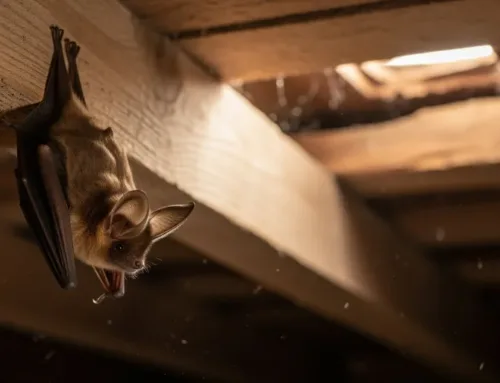
When the weather turns cold in Waterloo, rodents start looking for any warm place they can squeeze into. Basements, garages, crawl spaces, and older homes become easy targets once temperatures drop.
If they get inside, they can chew wires, get into your food, and leave behind droppings that no one wants to deal with during winter.
This guide explains how to rodent proof a house in Waterloo using simple steps that block entry points and reduce the reasons mice and other pests try to move indoors.
Whether you’re staying ahead of a possible problem or reacting to early signs like scratching noises or small droppings, these tips will help keep your home protected, comfortable, and rodent-free all season.
Why rodent-proofing your Waterloo home matters during winter and how cold weather increases indoor mouse activity in the Cedar Valley.
Simple, practical steps you can start today to keep mice from finding entry points around your home.
How to seal small openings, reinforce weak spots, and maintain rodent-proofing throughout the colder months.
What to do if you’re already seeing signs of mice and when it’s time to bring in a professional from Bobcat Wildlife & Pest.
What You’ll Learn About Keeping Rodents Out:
Why Rodent-Proofing Your Waterloo Home This Winter Is Essential
Winter makes it harder to spot the small gaps and weak spots rodents use to get inside.
Once the snow and cold settle in, those openings are easier for mice to take advantage of and harder for homeowners to inspect.
Rodent-proofing before winter helps you block those problem areas early and keeps mice from settling in when your home is warm and inviting.
Immediate Benefits of Rodent Proofing:
Protect hidden weak spots that become harder to see once snow and ice cover your foundation and siding.
Lower winter health risks by preventing mice from nesting near warm areas like furnace rooms and garages.
Avoid costly damage by stopping rodents before they chew wiring, insulation, or stored items.
4 Simple Steps to Rodent-Proof Your Waterloo Home This Winter
If you’re worried about mice settling inside once the temperatures drop, these four simple steps will help you keep them out and protect your home through the colder months.
Step 1 – Remove Food Sources Inside Your Home
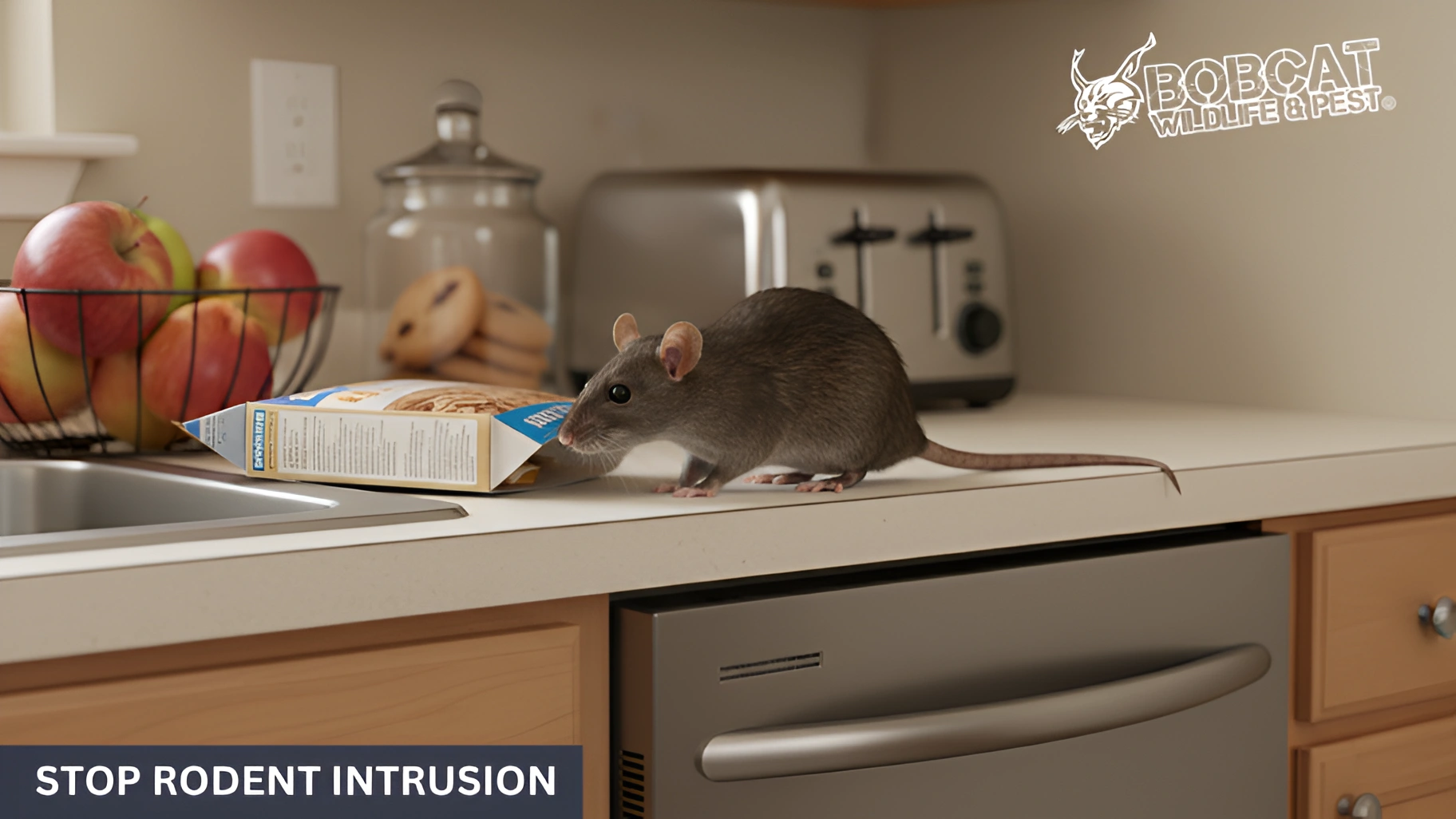
Rodents go wherever food is easy to reach, and your kitchen or pantry is usually the first place they explore.
Clearing out attractants makes your home far less appealing.
What to do:
Use airtight containers: Store cereal, baking ingredients, snacks, and pet food in solid, sealable containers instead of thin bags or boxes.
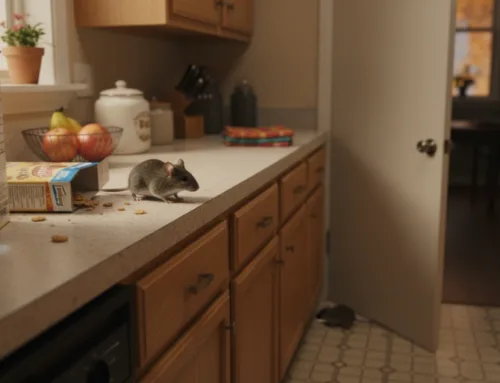
Clean up daily: Wipe countertops, sweep crumbs, and avoid leaving dishes or leftovers out overnight.
Secure your trash: Use a can with a tight lid and empty it often, especially during winter.
Taking away these easy food sources goes a long way in discouraging rodents from moving in and strengthens your overall mouse control efforts.
Step 2 – Find the Places Rodents Can Enter
Even tiny openings can be enough for mice to slip through. Winter weather can make gaps bigger as materials contract, so it’s important to look carefully.
Where to check:
Doors and windows: Look for light shining through the edges or worn-out weatherstripping.
Vents and utility lines: Gaps around pipes, dryer vents, and HVAC connections are common entry points.
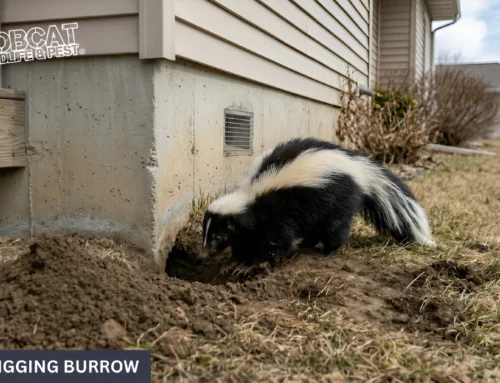
Foundation and exterior walls: Walk around your home and check for cracks or small openings close to the ground.
Once you know where mice can get in, you’re ready to seal everything up — one of the most important steps in learning how to rodent proof a house effectively.
Step 3 – Seal and Repair All Gaps
Closing off entry points is one of the most effective ways to stop rodents. These repairs are affordable and don’t require special tools.
How to seal them:
Add new weatherstripping: Replace worn or cracked seals around doors and windows to tighten those areas.
Use steel wool + sealant: For gaps around pipes or vents, pack in steel wool and cover it with caulk or foam so rodents can’t chew through.
Caulk cracks: Apply caulk or expandable foam to seal small cracks in walls, ceilings, and foundation lines.
These repairs help block rodents for good and strengthen your home’s winter defenses as part of long-term rodent proofing.
Step 4 – Maintain Your Rodent-Proofing Through Winter
Rodent-proofing isn’t a one-time chore. A little monthly upkeep ensures your home stays protected all season.
Keep up the habit:
Do quick monthly checks: Look for new gaps, loose weatherstripping, or anything that needs resealing.
Keep food stored properly: Continue using airtight containers and empty trash bins regularly.
Watch for early signs: Droppings, scratching noises, or gnaw marks can indicate new activity. Catching these early keeps problems small.
Staying consistent helps you maintain a rodent-free home and avoid mid-winter surprises.
How to Know if You Already Have a Rodent Problem
If you’re seeing or hearing anything unusual around your home, it’s important to figure out whether mice have already made their way inside.
Here are the most common signs Waterloo homeowners notice when a rodent issue is starting.
Key signs of rodent activity:
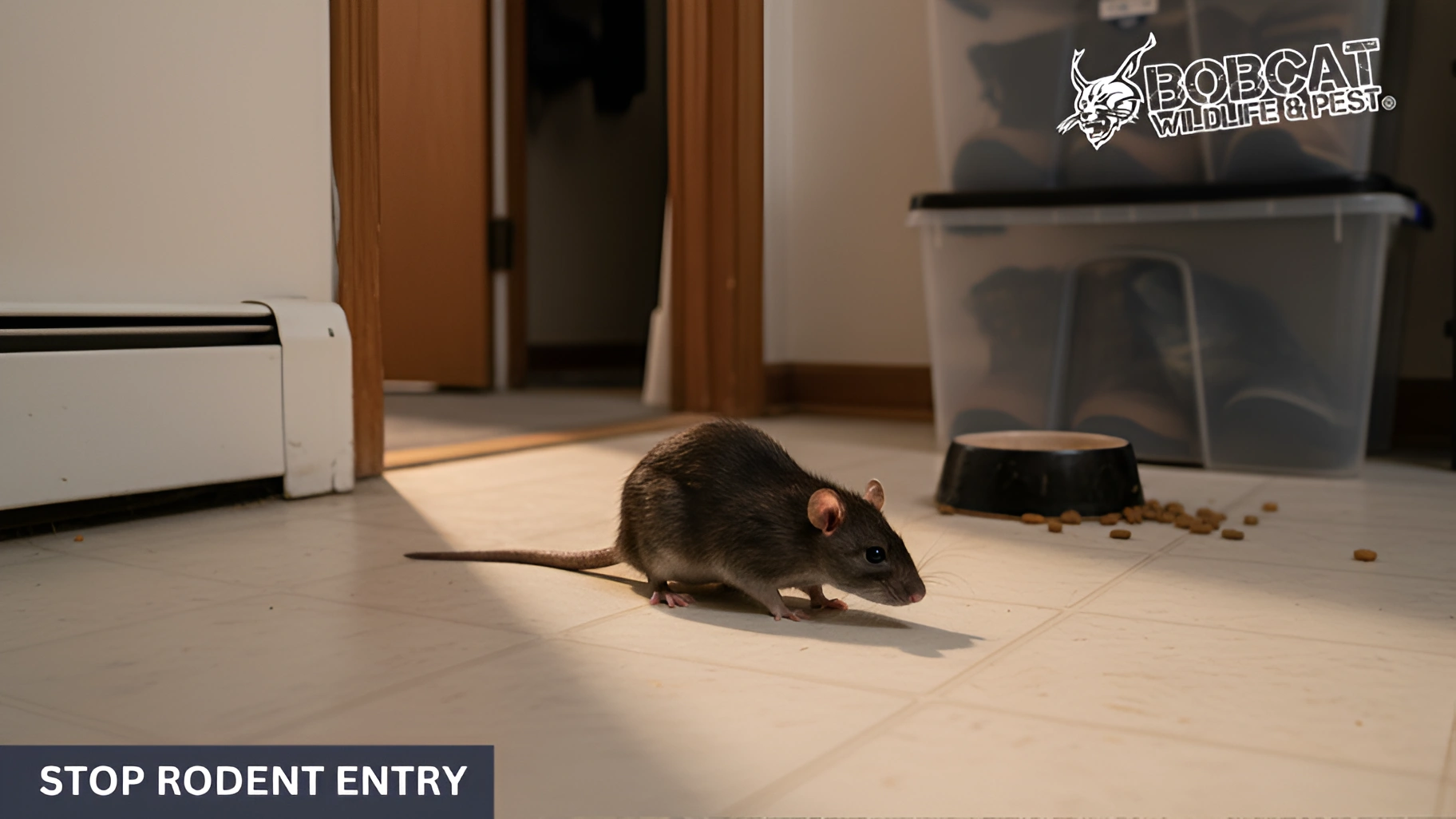
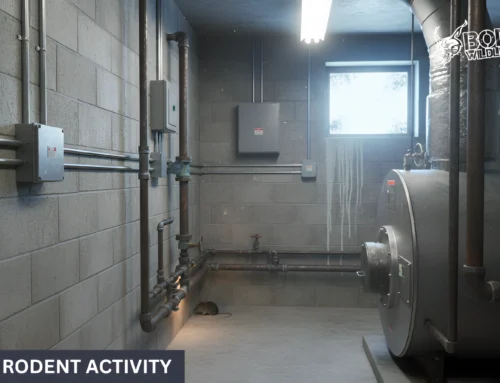
Droppings: Small, dark pellets along baseboards, inside cupboards, or in low-traffic spaces like basements or storage rooms often mean mice have been moving through those areas.
Gnaw Marks: Mice chew constantly, especially on cardboard, wiring, wood trim, and food packaging. Fresh bite marks or torn boxes are strong clues that rodents are active.
Nighttime Noises: Light scratching, quick scurrying, or tapping sounds inside walls, ceilings, or behind appliances are common, especially after the house quiets down at night.
Nests or Shredded Materials:
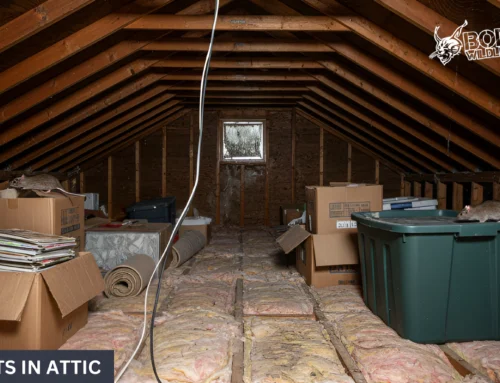
Mice often build nests from insulation, paper, or fabric. Check closets, utility rooms, and cluttered corners for small piles of shredded material.
Strange Odors:
A musty or ammonia-like smell in enclosed spaces can be a sign that rodents have been nesting or traveling through that area.
What to Do if You Spot These Signs
Inspect the area closely:
Look around the spot where you found the activity and check nearby corners, pipes, vents, and utility lines for small gaps.
Seal any openings:
Even small holes need to be closed right away to stop new mice from entering.
Call for professional help if needed:
If you’re finding multiple signs across the home or suspect mice have been there for a while, a professional rodent inspection can save you time, damage, and stress.
Schedule a rodent inspection today to get a clear understanding of what’s happening in your home and keep it protected through the winter.
What If I Already Have a Rodent Problem?
If you’re seeing signs of mice or think an infestation has already started, don’t worry — you can still get ahead of it.
Acting quickly is the best way to stop rodents from spreading, causing damage, or nesting deeper inside your home.
1. Use Traps and Bait Stations
Using traps is one of the fastest ways to start cutting down rodent movement in your home.
How to use them well:
Place traps near high-activity areas: Put them along walls, near pantry shelves, by appliances, or in the basement where you’ve seen droppings or tracks.
Combine snap traps with bait stations: Snap traps handle quick catches, while bait stations help with larger or more hidden populations.
Check traps each day: Replace bait and remove caught rodents so traps stay effective.
2. Protect All Food Sources
Mice are drawn to anything they can smell or access, so limiting food availability is essential.
Do this right away:
Use airtight containers: Store pantry items, baking supplies, snacks, and pet food in secure, sealed containers.
Clean up spills and crumbs: Keep counters, floors, and shelves wiped down to avoid attracting rodents back to the same areas.
3. Seal Any Openings You Find
If entry points are still accessible, rodents will keep coming in.
Where to focus:
Check doors, windows, vents, and utility lines: These spots often have gaps that homeowners miss.
Use steel wool and caulk: Pack small holes with steel wool, then seal over it so mice can’t bite through.
4. Call for Professional Rodent Control
If you’re seeing activity in multiple rooms or your efforts aren’t slowing things down, it’s time to bring in a professional.
A rodent control technician can:
place professional-grade traps
provide long-term rodent proofing solutions
Bobcat Wildlife & Pest serves Waterloo homes with inspections, trapping, and full exclusion services to keep rodents out for good.
Need Professional Help? Get Expert Mice Removal Services in Waterloo
If you’ve followed the rodent proofing steps and are still seeing activity, or if you’d rather let experts handle it from the start, Bobcat Wildlife & Pest is ready to help.
Our team provides fast, effective rodent control in Waterloo and the surrounding Cedar Valley area.
We’ll find the source of the problem, remove the rodents, and put long-term protections in place so you can feel confident your home is secure.
Why Choose Our Mice Removal Services?
Local Expertise:
Our team has years of experience helping Waterloo homeowners deal with winter rodent issues. We understand how local weather, older home structures, and neighborhood layouts affect rodent activity, and we use that knowledge to resolve problems quickly and correctly.
Comprehensive Solutions:
We go beyond basic trapping. We inspect your entire home, identify how and where rodents are getting in, and provide a full rodent-proofing plan. Our focus is to remove the rodents you have now and strengthen your home so future activity doesn’t return.
Safe & Effective Methods:
Our approach is designed to keep your family and pets safe. We use proven trapping strategies, professional-grade materials, and exclusion techniques that clear rodents out and protect your home without risky chemicals.
Fast Response Times:
Rodent activity can escalate quickly, especially during the cold months. When you contact Bobcat Wildlife & Pest, we prioritize fast scheduling and same-week service to get your home protected as soon as possible.
Get Professional Mice Removal in Waterloo – Schedule Today
If you’re seeing signs of a rodent problem or simply want peace of mind before winter gets colder, don’t wait.
Contact Bobcat Wildlife & Pest today for a full inspection and customized rodent-removal plan. We’ll help keep your Waterloo home safe, clean, and rodent-free all season long.
Rodent Control and Prevention FAQs for Waterloo Homes
Start by sealing every small gap you can find around your home — even openings you barely notice can give mice access.
Add new weatherstripping to drafty doors, caulk cracks near the foundation, and close gaps around utility lines.
Indoors, store all food in airtight containers and clean up crumbs daily. When done together, these steps make your home far less inviting to rodents during Waterloo’s colder months.
Mice enter homes in search of warmth, food, and safe hiding spots.
Unsealed pantry items, bags of pet food, overflowing trash, and cluttered storage spaces all increase your chances of an infestation.
During winter, Waterloo’s freezing temperatures push rodents to seek heat, making any unsealed opening a potential entry point.
Mice can flatten their bodies to enter surprisingly tight spaces.
If a crack is narrow but still allows the tip of a pencil to fit, a mouse can likely squeeze through it, so those small gaps shouldn’t be ignored.
This is why sealing tiny cracks near doors, vents, and foundation lines is critical for keeping rodents out during winter.
Typical entry points include gaps under garage doors, cracks in foundations, holes where plumbing or electrical lines enter, unscreened vents, and worn weatherstripping around doors and windows.
Older Waterloo homes may also have settling gaps between siding and wood framing that rodents can exploit.
Signs include small droppings, fresh gnaw marks, scratching noises at night, shredded nesting material, and unusual musty odors.
Even a single pile of droppings usually means there’s more activity happening out of sight.
Look for pellet-shaped droppings, chewed food packaging, rubbing marks along walls, shredded insulation, nests in storage areas, and sounds of movement after dark.
Strong ammonia-like odors often indicate active nesting or frequent passing.
Yes. As temperatures drop in Waterloo, mice actively search for warm shelter with stable food sources.
Homes with basements, attached garages, or older foundations experience higher winter activity because these areas often have hidden gaps where rodents can slip through.
The quickest results come from sealing entry points, cleaning up all food sources, and placing traps in high-activity areas — the core steps of effective mouse control.
Sealing stops new mice, cleaning removes attractants, and traps reduce any rodents already inside.
Mice are attracted to cereal, grains, seeds, pet food, snacks, baking ingredients, and birdseed.
They also target crumbs under stoves or refrigerators and even lightly scented food packaging.
Storing these items in airtight containers greatly reduces rodent activity.
Use caulk for small cracks, expandable foam for gaps around foundation lines, and steel wool for openings around pipes or vents.
Add fresh weatherstripping to doors with visible gaps. Each material blocks rodents differently, so using a combination gives the best long-term results.
Steel wool, metal mesh, caulk, and expanding foam are the most effective because mice cannot chew through them.
Avoid using plastic, rubber, or insulation alone — rodents can easily chew through softer materials and return.
Traps help with mild problems, but they rarely eliminate larger infestations because they don’t address hidden nesting areas or active entry points.
If you’re catching mice daily or finding droppings in multiple rooms, professional help from Bobcat Wildlife & Pest Management is recommended.
Place traps along walls, near pantry shelves, behind appliances, under sinks, and in basements where you’ve seen droppings.
Mice follow edges and corners, not open spaces, so placing traps flush against the wall significantly increases catch rates.
Minor issues may be resolved within a few days with proper trap placement and sealing.
More established infestations — especially if rodents are nesting in walls, attics, or storage rooms — can take one to two weeks or longer without professional intervention.
Yes, when using tamper-resistant stations designed to keep bait locked inside.
These stations prevent access from children and pets while still allowing mice to enter.
For safety, place them in areas that are out of reach and check them regularly.
Cleaning helps remove food sources, but it doesn’t prevent new rodents from entering.
If exterior gaps are still open, mice will continue slipping in from outside — especially during Waterloo’s winter months when shelter is limited.
Ultrasonic devices may help temporarily, but mice often adjust to the sound.
They work best as a minor supplement — not a primary solution.
Sealing entry points and using traps or professional exclusion remains the most reliable strategy.
Call a professional when traps aren’t improving the situation, droppings keep returning, scratching noises are frequent, or activity is spreading to new rooms.
A technician can locate hidden entry points and nesting areas that homeowners often miss.
A technician examines your home’s interior and exterior for entry points, nests, droppings, chew damage, and travel paths.
They identify how rodents are entering, place targeted traps, and provide a custom plan to seal your home and prevent future activity.
Yes. Bobcat Wildlife & Pest Management provides full rodent control in Waterloo, including inspections, trapping, entry-point sealing, and long-term rodent-proofing services for homeowners in Waterloo and the surrounding Cedar Valley area.
They remove active rodents and help ensure your home stays protected through winter and beyond.
{
"@context": "https://schema.org",
"@type": "FAQPage",
"mainEntity": [
{
"@type": "Question",
"name": "How do I rodent proof a house in Waterloo during winter?",
"acceptedAnswer": {
"@type": "Answer",
"text": "Start by sealing every small gap you can find around your home — even openings you barely notice can give mice access. Add new weatherstripping to drafty doors, caulk cracks near the foundation, and close gaps around utility lines. Indoors, store all food in airtight containers and clean up crumbs daily. When done together, these steps make your home far less inviting to rodents during Waterloo’s colder months."
}
},
{
"@type": "Question",
"name": "What attracts mice to homes in the first place?",
"acceptedAnswer": {
"@type": "Answer",
"text": "Mice enter homes in search of warmth, food, and safe hiding spots. Unsealed pantry items, bags of pet food, overflowing trash, and cluttered storage spaces all increase your chances of an infestation. During winter, Waterloo’s freezing temperatures push rodents to seek heat, making any unsealed opening a potential entry point."
}
},
{
"@type": "Question",
"name": "How small of a hole can a mouse squeeze through?",
"acceptedAnswer": {
"@type": "Answer",
"text": "Mice can flatten their bodies to enter surprisingly tight spaces. If a crack is narrow but still allows the tip of a pencil to fit, a mouse can likely squeeze through it, so those small gaps shouldn’t be ignored. This is why sealing tiny cracks near doors, vents, and foundation lines is critical for keeping rodents out during winter."
}
},
{
"@type": "Question",
"name": "Where do mice usually get into a house?",
"acceptedAnswer": {
"@type": "Answer",
"text": "Typical entry points include gaps under garage doors, cracks in foundations, holes where plumbing or electrical lines enter, unscreened vents, and worn weatherstripping around doors and windows. Older Waterloo homes may also have settling gaps between siding and wood framing that rodents can exploit."
}
},
{
"@type": "Question",
"name": "How do I know if I have a mouse problem?",
"acceptedAnswer": {
"@type": "Answer",
"text": "Signs include small droppings, fresh gnaw marks, scratching noises at night, shredded nesting material, and unusual musty odors. Even a single pile of droppings usually means there’s more activity happening out of sight."
}
},
{
"@type": "Question",
"name": "What are the most common signs of mice in a home?",
"acceptedAnswer": {
"@type": "Answer",
"text": "Look for pellet-shaped droppings, chewed food packaging, rubbing marks along walls, shredded insulation, nests in storage areas, and sounds of movement after dark. Strong ammonia-like odors often indicate active nesting or frequent passing."
}
},
{
"@type": "Question",
"name": "Do mice come inside more often during winter in Iowa?",
"acceptedAnswer": {
"@type": "Answer",
"text": "Yes. As temperatures drop in Waterloo, mice actively search for warm shelter with stable food sources. Homes with basements, attached garages, or older foundations experience higher winter activity because these areas often have hidden gaps where rodents can slip through."
}
},
{
"@type": "Question",
"name": "What is the fastest way to keep mice out of my home?",
"acceptedAnswer": {
"@type": "Answer",
"text": "The quickest results come from sealing entry points, cleaning up all food sources, and placing traps in high-activity areas. Sealing stops new mice, cleaning removes attractants, and traps reduce any rodents already inside."
}
},
{
"@type": "Question",
"name": "What food items attract mice the most?",
"acceptedAnswer": {
"@type": "Answer",
"text": "Mice are attracted to cereal, grains, seeds, pet food, snacks, baking ingredients, and birdseed. They also target crumbs under stoves or refrigerators and even lightly scented food packaging. Storing these items in airtight containers greatly reduces rodent activity."
}
},
{
"@type": "Question",
"name": "How do I seal entry points so mice can’t get inside?",
"acceptedAnswer": {
"@type": "Answer",
"text": "Use caulk for small cracks, expandable foam for gaps around foundation lines, and steel wool for openings around pipes or vents. Add fresh weatherstripping to doors with visible gaps. Each material blocks rodents differently, so using a combination gives the best long-term results."
}
},
{
"@type": "Question",
"name": "What materials should I use to fill holes or gaps where mice get in?",
"acceptedAnswer": {
"@type": "Answer",
"text": "Steel wool, metal mesh, caulk, and expanding foam are the most effective because mice cannot chew through them. Avoid using plastic, rubber, or insulation alone — rodents can easily chew through softer materials and return."
}
},
{
"@type": "Question",
"name": "Are DIY mouse traps enough to solve an infestation?",
"acceptedAnswer": {
"@type": "Answer",
"text": "Traps help with mild problems, but they rarely eliminate larger infestations because they don’t address hidden nesting areas or active entry points. If you’re catching mice daily or finding droppings in multiple rooms, professional help from Bobcat Wildlife & Pest Management is recommended."
}
},
{
"@type": "Question",
"name": "Where should I place mouse traps in my home?",
"acceptedAnswer": {
"@type": "Answer",
"text": "Place traps along walls, near pantry shelves, behind appliances, under sinks, and in basements where you’ve seen droppings. Mice follow edges and corners, not open spaces, so placing traps flush against the wall significantly increases catch rates."
}
},
{
"@type": "Question",
"name": "How long does it take to get rid of mice once they’re inside?",
"acceptedAnswer": {
"@type": "Answer",
"text": "Minor issues may be resolved within a few days with proper trap placement and sealing. More established infestations — especially if rodents are nesting in walls, attics, or storage rooms — can take one to two weeks or longer without professional intervention."
}
},
{
"@type": "Question",
"name": "Is it safe to use bait stations if I have kids or pets?",
"acceptedAnswer": {
"@type": "Answer",
"text": "Yes, when using tamper-resistant stations designed to keep bait locked inside. These stations prevent access from children and pets while still allowing mice to enter. For safety, place them in areas that are out of reach and check them regularly."
}
},
{
"@type": "Question",
"name": "Why do I keep seeing mice even after cleaning my home?",
"acceptedAnswer": {
"@type": "Answer",
"text": "Cleaning helps remove food sources, but it doesn’t prevent new rodents from entering. If exterior gaps are still open, mice will continue slipping in from outside — especially during Waterloo’s winter months when shelter is limited."
}
},
{
"@type": "Question",
"name": "Do ultrasonic repellents actually work for mice?",
"acceptedAnswer": {
"@type": "Answer",
"text": "Ultrasonic devices may help temporarily, but mice often adjust to the sound. They work best as a minor supplement — not a primary solution. Sealing entry points and using traps or professional exclusion remains the most reliable strategy."
}
},
{
"@type": "Question",
"name": "When should I call a professional for rodent control?",
"acceptedAnswer": {
"@type": "Answer",
"text": "Call a professional when traps aren’t improving the situation, droppings keep returning, scratching noises are frequent, or activity is spreading to new rooms. A technician can locate hidden entry points and nesting areas that homeowners often miss."
}
},
{
"@type": "Question",
"name": "What does a professional rodent inspection include?",
"acceptedAnswer": {
"@type": "Answer",
"text": "A technician examines your home’s interior and exterior for entry points, nests, droppings, chew damage, and travel paths. They identify how rodents are entering, place targeted traps, and provide a custom plan to seal your home and prevent future activity."
}
},
{
"@type": "Question",
"name": "Does Bobcat Wildlife & Pest Management offer rodent-proofing services in Waterloo?",
"acceptedAnswer": {
"@type": "Answer",
"text": "Yes. Bobcat Wildlife & Pest Management provides full rodent inspections, trapping, entry-point sealing, and long-term rodent-proofing services for homeowners in Waterloo and the surrounding Cedar Valley area. They remove active rodents and help ensure your home stays protected through winter and beyond."
}
}
]
}