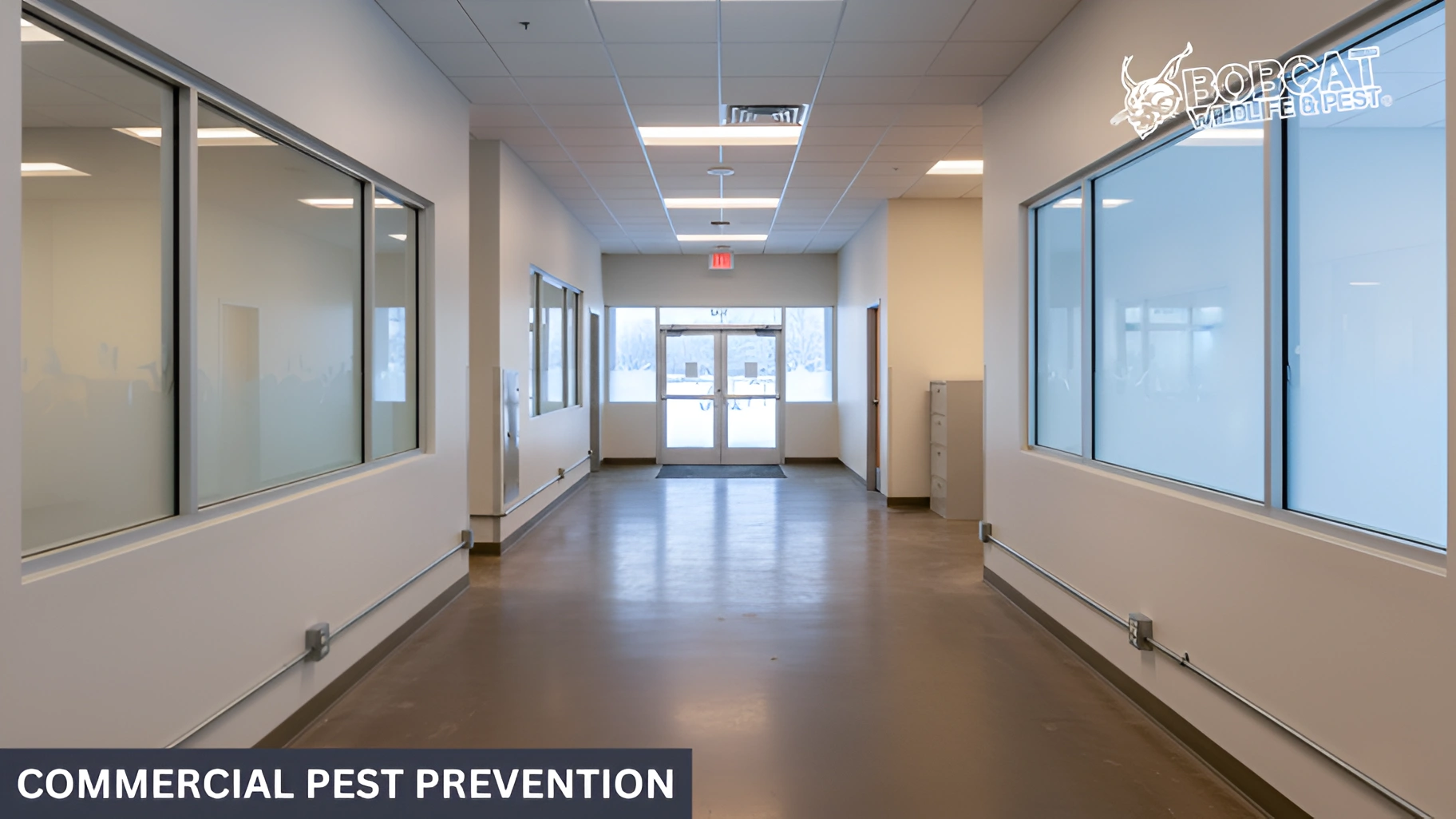
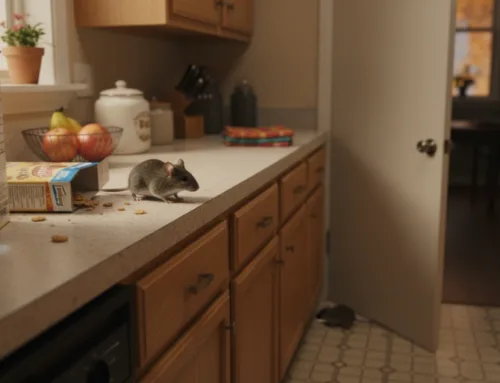
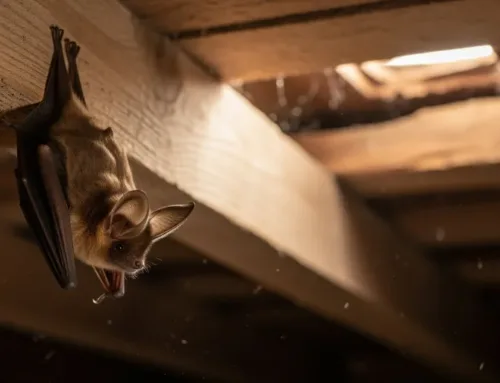
Cold weather does not make pests disappear in Waterloo. It simply drives them indoors.
As temperatures drop, rodents and insects start looking for warm, protected places to settle. Commercial buildings offer exactly what they need, which is why winter is often when pest issues first show up inside businesses.
For business owners and property managers in Waterloo, this makes winter an important time to stay ahead of pest problems.
Knowing how pest behavior changes during the colder months, and why early action matters for pest control for businesses, helps prevent disruptions, protect your facility, and avoid dealing with bigger issues once winter is fully underway.
What This Article Covers:
Why Winter Creates Higher Pest Risks for Waterloo Businesses
Winter does not make pests more active. It makes their movement more direct.
Instead of spreading out across outdoor areas, pests are pushed into a smaller number of warm, sheltered spaces.
That means commercial buildings see more pressure at the same entry points, often over a short period of time.
For Waterloo businesses, winter risk increases because:
Indoor conditions stay steady while outdoor conditions change constantly
Heated buildings offer warmth, shelter, and consistent conditions. During long cold stretches or sudden temperature drops, pests move inside and tend to stay put, increasing the chance of nesting and repeat activity.
Commercial buildings have access points that stay in use year-round
Loading docks, service doors, rooflines, utility openings, and shared walls cannot be sealed off completely. Gaps that are barely noticeable in warmer months become easy entry points once pests are actively searching for shelter.
Freeze and thaw cycles force quick movement
Waterloo winters often shift from mild to freezing in a short time. These rapid changes push pests to relocate fast, increasing the likelihood they end up inside buildings instead of staying outdoors.
This is why winter becomes an important season for pest control for businesses. The risk comes from pests being driven into fewer spaces, not from larger pest populations.
When activity becomes concentrated, small issues are exposed quickly, and problems can escalate faster if they are not addressed early.
Common Winter Pests Found in Waterloo Commercial Buildings
Once pest activity becomes concentrated indoors, the same types of problems tend to show up across many commercial properties.
In winter, pest issues are not always obvious or dramatic. In many cases, business owners notice patterns first, not pests themselves. Sounds, smells, droppings, or repeat sightings in the same areas are often the earliest warning signs.
In pest control for commercial buildings, these are the most common winter pest concerns seen in Waterloo.
Rodents are among the most frequent winter pest issues in commercial spaces, especially in larger buildings.
They take advantage of areas that see little daily foot traffic
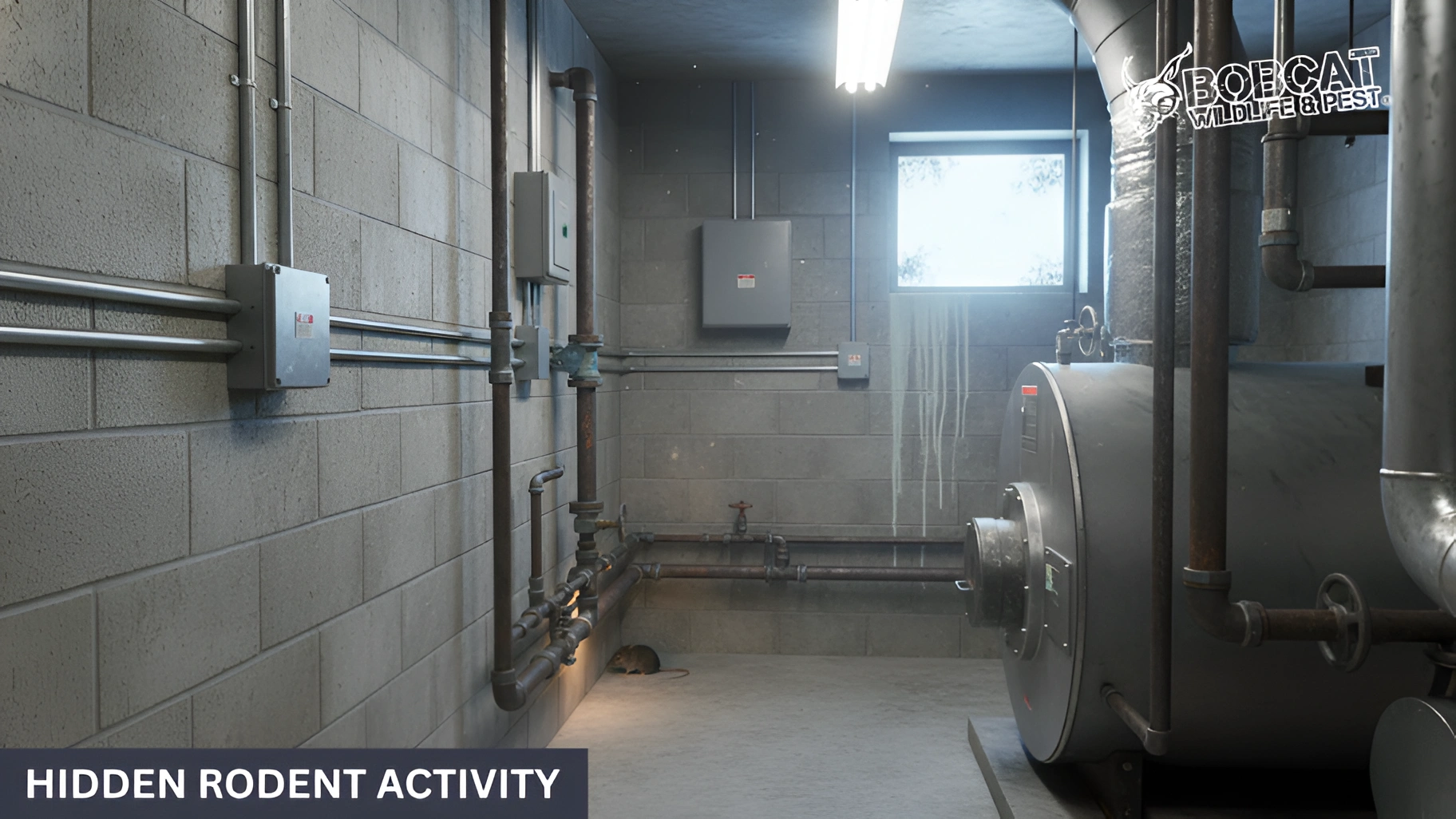
Wall voids, ceiling spaces, storage rooms, and utility chases provide quiet paths and nesting spots
Activity is often noticed indirectly through droppings, gnaw marks, or noises rather than live sightings
Because rodents can move through hidden areas without being seen, they often go undetected longer in winter. By the time signs appear, activity is usually already established.
Cockroaches and ants behave differently than seasonal pests. They do not disappear when temperatures drop.
Heated interiors allow infestations to remain active throughout winter
Activity is often confined to kitchens, break rooms, mechanical spaces, or wall voids
Early signs are easy to overlook because movement happens outside normal work hours
In commercial settings, these pests tend to reappear in the same locations repeatedly. Without intervention, patterns continue rather than resolve on their own.
Seasonal Invaders Customers and Staff Notice
Some pests do not live indoors but still make their way inside during winter.
Spiders, flies, and stink bugs are the most commonly noticed
They often appear near windows, entryways, and visible wall surfaces
Even small numbers can create concern when customers or employees see them
In these situations, visibility becomes the problem. A minor issue can still affect how a business is perceived, especially in customer-facing environments.
How Winter Pest Problems Can Disrupt Your Business
Winter pest issues rarely cause immediate shutdowns. Instead, they tend to grow quietly in parts of a building that receive less attention during colder months.
In many commercial properties across Waterloo, winter problems are not discovered when they begin, but only after they start interfering with daily operations.
In commercial environments, winter pest activity commonly leads to disruption in a few key ways:
Health and safety concerns surface over time
Issues often come to light during routine inspections, compliance checks, or customer interactions rather than through obvious incidents. When pest activity stays contained inside walls or back areas, it can go unnoticed until it creates a compliance or sanitation concern.
Property and inventory risks develop out of view
Storage rooms, supply areas, and mechanical spaces often see reduced traffic during winter. This gives pests time to damage packaging, insulation, wiring, or stored materials without immediate warning signs.
Customer perception changes quickly
Even a single sighting can affect how a business is viewed. In winter, customers tend to expect indoor spaces to feel sealed, clean, and well maintained. Seeing pests indoors during cold weather often raises stronger concerns than it would during warmer months.
Why winter infestations escalate quietly
Reduced inspections, seasonal staffing changes, and the assumption that cold weather limits pest activity all contribute to delays in detection. These conditions allow small issues to grow until activity reaches visible or high-use areas.
This is why winter can be a challenging period for pest control for businesses. Disruption rarely starts as a major event, but it can build quickly once early warning signs are missed.
Why Many Businesses Miss Early Winter Pest Warning Signs
Early winter pest issues are often missed because they do not show up in the places people check most often.
In commercial buildings, the first signs of winter activity usually appear in areas tied to infrastructure and storage, not in customer-facing or high-traffic spaces. That makes them easy to overlook during day-to-day operations.
A few common patterns contribute to this:
Pest activity starts in low-visibility areas
Pests tend to nest and move through wall voids, ceiling spaces, mechanical rooms, and storage areas. These spaces are rarely part of daily walkthroughs, especially once winter weather limits access or reduces movement around the building.
Interior checks happen less often during colder months
Winter staffing adjustments, weather-related disruptions, and shifting priorities can reduce how frequently back-of-house areas are reviewed. When inspections become less consistent, small issues have more time to develop unnoticed.
Familiar assumptions delay response
Many businesses still associate pest problems with warmer seasons. When subtle signs appear in winter, they are easier to dismiss or attribute to isolated incidents rather than early activity.
Because of these factors, winter pest issues often remain hidden until activity reaches occupied or visible areas. By that point, the situation is usually more established and harder to address quickly.
How Businesses Can Reduce Winter Pest Risks Before They Escalate
Reducing winter pest risk starts with planning, not with reacting after activity becomes visible.
In commercial settings, the most effective pest control decisions are usually made before pests reach occupied or customer-facing areas. Businesses that think ahead during winter tend to experience fewer surprises later in the season.
At a high level, winter risk reduction comes down to a few key priorities:
- 1
Understanding where winter vulnerabilities usually exist
Every commercial building has areas that see more pressure in winter. Service corridors, utility penetrations, loading zones, storage rooms, and low-traffic interior spaces often become problem areas when pests are pushed indoors. Knowing where these vulnerabilities exist helps businesses focus attention where it actually matters.
- 2
Prioritizing awareness instead of waiting for clear problems
Businesses that treat winter as a time to stay alert often notice small changes earlier. Subtle signs like repeat noises, odors, or activity in the same locations are easier to address when they are recognized quickly rather than dismissed as isolated incidents.
- 3
Treating winter as an active season, not a pause
Cold weather does not pause pest pressure. It shifts it. Planning for pest control for commercial buildings during winter helps prevent small, contained issues from becoming widespread problems once activity increases inside the building.
This approach is not about quick fixes or reacting to emergencies.
It is about recognizing winter as a season where proactive planning consistently reduces disruption, cost, and stress compared to waiting for problems to force action.
When Professional Commercial Pest Control Makes Sense
During winter, pest concerns often shift from simple awareness to ongoing oversight.
This usually happens when activity becomes harder to follow, not when it becomes more obvious. Instead of a clear problem in one place, signs start appearing sporadically across different areas of the building.
For Waterloo commercial properties, professional commercial pest control services often make sense when a few conditions begin to overlap:
Activity repeats without a clear source
Signs may show up in one area, disappear, then return nearby weeks later. When patterns are inconsistent, it becomes difficult for internal teams to understand where activity is originating or how it is moving through the building.
Building layout limits visibility
Many commercial spaces operate across multiple zones with different schedules and access levels. Mechanical rooms, shared walls, storage areas, and tenant spaces are not always checked consistently, especially in winter, which creates blind spots.
Winter keeps activity concentrated for longer periods
Cold weather does not create brief pest movement. It keeps activity compressed indoors for extended stretches of time. Managing that kind of pressure often requires continuity rather than isolated responses.
At this stage, the goal is no longer reacting to individual issues. It becomes about maintaining consistent awareness across the entire property.
That is where a complete pest control approach becomes relevant. Not as an emergency response, but as a way to prevent winter conditions from creating gaps in oversight.
The decision to bring in professional support is rarely about urgency. It is about recognizing when winter conditions have made pest activity more complex to manage internally.
Frequently Asked Questions About Winter Commercial Pest Control in Waterloo
Pest problems often feel worse in commercial buildings during winter because activity becomes concentrated in fewer areas, not because there are suddenly more pests.
In larger buildings, pests are able to move through walls, ceilings, and service corridors without being seen. Winter pushes that movement inward, which means multiple areas may be affected before a problem is noticed.
In commercial settings, this is amplified by:
- Larger floor plans with low-traffic spaces
- Multiple access points that remain active year-round
- Heated interiors that allow pests to remain settled instead of moving on
As a result, winter issues tend to feel more persistent and harder to trace back to a single source.
Risk during winter is less about industry and more about how a building is used.
Businesses are more vulnerable when they have:
- Storage rooms or back-of-house areas that are not checked daily
- Regular deliveries or service access during winter
- Shared walls, multi-tenant layouts, or older construction
In Waterloo, this often includes:
- Warehouses and distribution centers
- Restaurants and food service operations
- Healthcare and professional offices
- Retail spaces with stockrooms or loading areas
The common factor is not size, but how many areas are out of sight during normal operations.
Yes. Many pests remain active indoors throughout winter once they gain access.
Indoor environments provide:
- Stable temperatures
- Shelter from weather fluctuations
- Consistent access to food and water sources
Rodents continue to forage and nest, while insects like cockroaches and ants can remain active in wall voids and mechanical spaces even when outdoor temperatures are well below freezing.
Because this activity happens away from view, it often goes unnoticed until signs become more obvious.
Rodents are one of the most common winter concerns, but they are not the only issue businesses face.
Rodents tend to be more noticeable because:
- They move through walls and ceilings
- They leave physical evidence like droppings or gnaw marks
- They can impact wiring, insulation, and stored materials
However, insect activity can be just as disruptive, especially when:
- Infestations remain hidden but persistent
- Activity repeats in the same areas over time
- Sanitation or compliance standards are affected
The biggest winter pest problem is often the one that goes undetected the longest.
Most pests do not rely on open doors to enter a building.
Common winter entry points include:
- Gaps around utility lines and conduit
- Loading dock seals and worn door sweeps
- Roofline openings and vents
- Expansion joints and shared walls
During winter, pests actively search for shelter and will exploit openings that are insignificant in warmer months. Once inside, they often stay because conditions remain favorable.
This is why winter pest issues are often about access points that are overlooked rather than doors being left open.
A one-time treatment may reduce visible activity, but it rarely solves winter pest problems in commercial buildings.
Winter issues are often tied to:
- Ongoing access points
- Hidden nesting or movement paths
- Conditions that remain stable for long periods
Without continued monitoring, pests can reappear in nearby areas even after treatment.
In commercial environments, winter pest control is usually more effective when it focuses on consistency rather than isolated responses.
Vulnerable areas are typically parts of the building that combine shelter, low traffic, and access to infrastructure.
Common winter pressure points include:
- Storage rooms and stock areas
- Mechanical rooms and utility spaces
- Wall voids and ceiling cavities
- Loading docks and service corridors
- Shared walls in multi-tenant buildings
These spaces often receive less attention during winter operations, which allows pest activity to develop without immediate notice.
Commercial pest control focuses on identifying patterns before they turn into disruptions.
Instead of reacting to isolated sightings, professional oversight helps:
- Track where activity starts and how it moves
- Identify recurring access points
- Address conditions that allow pests to remain indoors
This approach reduces the likelihood of damage, lost inventory, compliance issues, and emergency responses later in the season.
Waiting until spring often allows winter activity to become more established.
When pests remain indoors throughout winter, they can:
- Expand nesting areas
- Spread activity across connected spaces
- Become harder to control once conditions change
Addressing issues during winter helps limit long-term impact and reduces the chance of larger problems carrying into warmer months.
Ongoing monitoring provides visibility during a season when activity is harder to observe.
Winter monitoring helps:
- Detect subtle changes before they escalate
- Confirm whether activity is increasing or stabilizing
- Maintain awareness across low-traffic areas
Because winter pest movement tends to stay concentrated, consistent monitoring is often the difference between early intervention and late discovery.
Winter pest sightings tend to carry more weight with customers than issues seen in warmer months.
During cold weather, customers expect indoor spaces to feel sealed, controlled, and well maintained. Seeing pests indoors in winter often raises questions about cleanliness, building upkeep, and overall management, even if the issue is limited.
In customer-facing environments, a single visible incident can:
- Reduce trust
- Lead to negative word of mouth
- Influence online reviews or complaints
This is why winter pest control is often as much about protecting reputation as it is about managing pests.
DIY solutions typically address what can be seen. Commercial pest control focuses on what cannot.
Professional services are more effective because they:
- Monitor patterns across the entire building, not just one area
- Identify access points and movement paths that are not obvious
- Maintain consistency over time rather than relying on one-off actions
In winter, when activity is hidden and concentrated, this structured oversight is often what prevents small issues from becoming widespread problems.
Professional services make sense when pest activity becomes harder to track internally.
This often happens when:
- Signs repeat without a clear source
- Activity appears in multiple areas over time
- Building size or layout limits visibility
Winter conditions tend to accelerate these challenges by keeping activity indoors longer, making professional oversight more valuable even when urgency is low.
Winter pest control usually balances both, with a stronger emphasis on prevention.
While active treatment may be needed when issues are identified, much of winter control focuses on:
- Limiting access points
- Monitoring activity trends
- Preventing small issues from spreading
Because winter conditions remain stable, prevention efforts often have a longer-lasting impact during this season.
Preparation starts with recognizing winter as an active pest season, not a slowdown.
Businesses can reduce risk by:
- Paying closer attention to low-traffic and back-of-house areas
- Watching for repeat signs rather than isolated incidents
- Maintaining consistent oversight instead of waiting for visible problems
Early awareness and planning during winter often prevent the most disruptive issues from developing later in the season.