Quick Answer: How to Get Rid of a Raccoon Under Your Deck
To get rid of a raccoon under your deck, the goal is to make the space feel unsafe and unappealing so it leaves on its own.
Homeowners often use light, noise, or strong smells to encourage the raccoon to move out.
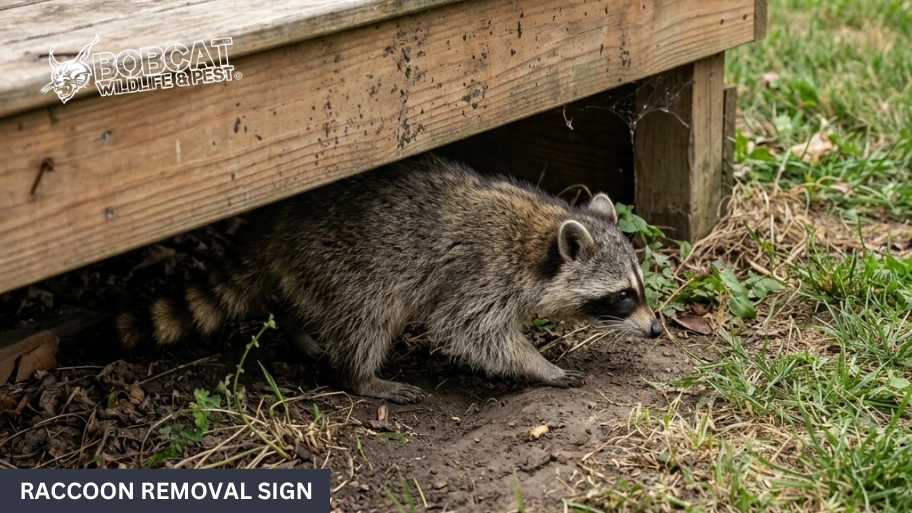
Before doing anything, make sure there are no babies underneath. Once the raccoon is gone, the area should be sealed properly so it cannot return.
If the raccoon stays put, seems aggressive, or you are not sure how to handle it safely, professional raccoon removal is usually the best next step.
What This Guide Covers:
- Quick Answer: How to Get Rid of a Raccoon Under Your Deck
- Hearing Scratching or Noticing a Strong Smell Outside? It Could Be a Raccoon Under Your Deck
- Why This Is Happening to Your Home in Waterloo
- How to Get Rid of a Raccoon Under Your Deck (What Actually Works)
- Why This Problem Gets Worse Fast If You Wait
- What Most Homeowners Get Wrong When Trying to Fix This
- When It’s Time to Call for Raccoon Removal in Waterloo, Iowa
- Frequently Asked Questions About Raccoons Under Decks in Waterloo, Iowa
Hearing Scratching or Noticing a Strong Smell Outside? It Could Be a Raccoon Under Your Deck
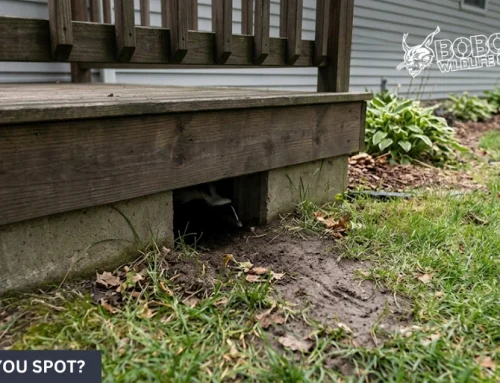
If you’re hearing scratching late at night, noticing movement near your deck, or picking up a strong odor outside that wasn’t there before, it’s usually a sign something has moved in and gotten comfortable.
What many homeowners in Waterloo don’t realize is that raccoons don’t choose a spot randomly.
They look for quiet, covered areas that stay dry and protected, especially near food sources like trash bins, pet food, or nearby trees.
That’s why once the activity starts, it often continues.
Here are some of the most common signs people notice when a raccoon has settled in:
According to Derek Brownmiller and the Waterloo team, when these signs show up together and don’t stop, it usually means the raccoon is using the space as a den, not just passing through.
At that point, the situation can escalate quickly, especially if it’s during nesting season or if the raccoon feels cornered.
If this sounds like what you’ve been dealing with, there’s a good chance the animal has already settled in.
The next step is understanding what’s actually happening under your deck and what you should look for before trying to handle it safely.
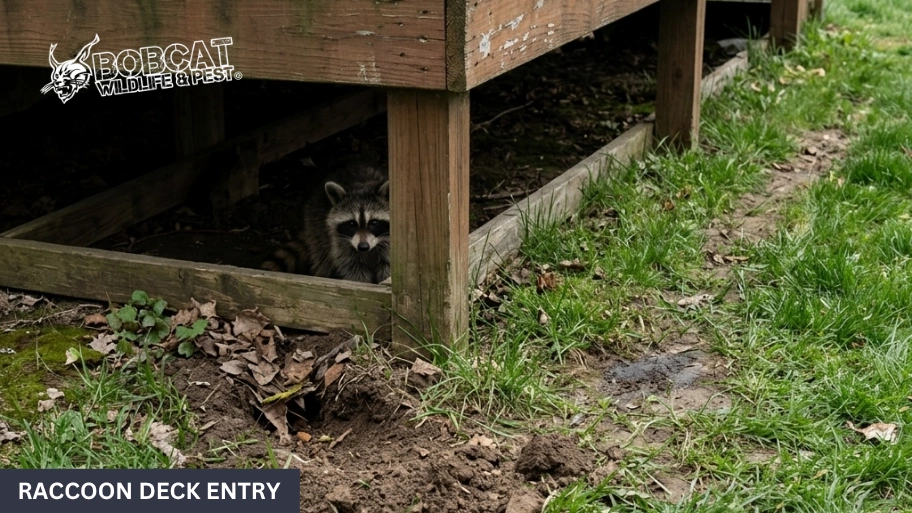
Why This Is Happening to Your Home in Waterloo
Raccoons don’t just wander under decks by chance. When one shows up, it’s usually because your property checks several boxes that make it a reliable hiding and nesting spot.
In areas around Waterloo, decks often create the perfect environment without homeowners realizing it. Once a raccoon tests the space and feels safe, it tends to come back or stay longer.
Here’s what typically makes a home more attractive to them:
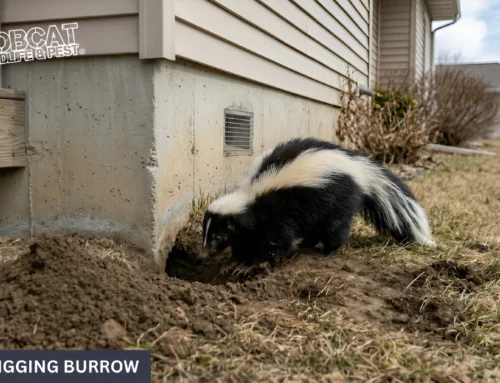
According to Derek Brownmiller and the Waterloo team, many cases they handle start with a small, unnoticed opening that gradually turns into a regular entry point.
This becomes even more common during the warmer months, when raccoons begin looking for quiet, hidden areas to settle in and raise their young.
At that point, your deck is no longer just a temporary stop. It becomes a dependable shelter they’re likely to return to.
That’s why even minor signs or small gaps shouldn’t be ignored. What seems like a one-time issue can quickly turn into a repeat problem if the conditions stay the same.
How to Get Rid of a Raccoon Under Your Deck (What Actually Works)
If you’re trying to figure out how to get rid of a raccoon under your deck, the process comes down to three things: identify what you’re dealing with, push it to leave, and make sure it can’t come back.
Here’s what tends to work in real situations around Waterloo.
Step 1: Confirm It’s Actually a Raccoon
Before doing anything, you want to be sure the activity matches a raccoon and not another animal.
Raccoons usually stand out because they:
One detail that helps narrow it down is how predictable the activity is.
Raccoons often come and go at similar times each night, which makes their pattern easier to recognize compared to smaller animals.
From what Derek Brownmiller sees in Waterloo, taking the time to identify the animal correctly helps avoid wasted effort and repeated issues later on.
Step 2: Make the Area Uncomfortable Enough to Leave
Once you’re confident it’s a raccoon, the next step is to change the environment so it no longer feels like a safe place to stay.
Effective methods include:
What matters most is consistency. If the disturbance is only occasional, the raccoon will usually ignore it and stay.
Step 3: Check for Babies Before Taking It Further
This is one of the most important steps and often the reason DIY attempts don’t work.
In many Waterloo cases, raccoons use decks as den sites during warmer months. If babies are present, the mother will not leave, even if the space becomes uncomfortable.
This often leads to:
Knowing whether you’re dealing with a den changes how the situation needs to be handled.
Step 4: Confirm the Raccoon Is No Longer Active
Before sealing anything, you need to be sure the raccoon has actually left.
A simple way to check is by monitoring the entry point:
If the material stays in place, it’s a good sign the raccoon is no longer using that space.
Step 5: Seal and Reinforce the Area
Once you’re confident the raccoon is gone, the final step is preventing it from coming back.
This typically involves:
Derek Brownmiller and the Waterloo team often see repeat issues when entry points are only partially sealed.
Even small openings can be enough for a raccoon to return, so taking the time to secure everything properly makes a big difference long term.
Why This Problem Gets Worse Fast If You Wait
Once a raccoon settles under your deck, it usually doesn’t stay limited to that one space for long.
What often starts as occasional activity can turn into something more active and harder to control as the animal gets used to being there without disturbance.
Here’s how the situation typically develops over time:
One thing many homeowners in Waterloo don’t expect is how quickly this shift can happen. What seems quiet at first can turn into regular activity within a short period.
According to Derek Brownmiller and the Waterloo team, once a raccoon feels secure, its behavior changes.
Instead of staying hidden, it starts exploring and expanding its range, which increases the chances of it getting into other parts of the home.
At that point, the issue is no longer just under the deck. It becomes a larger problem that’s more time-consuming to resolve.
That’s why acting early matters. The sooner it’s addressed, the easier it is to contain and prevent further damage.
What Most Homeowners Get Wrong When Trying to Fix This
It’s completely understandable to try handling a raccoon issue on your own at first.
The challenge is that some of the most common first steps can actually make the situation more complicated or delay getting results.
Here are a few mistakes homeowners in Waterloo often run into:
- 1
Closing off the entry point too early
It might seem like sealing the opening right away will solve the problem.
But if the raccoon is still underneath, it usually creates more stress on the animal, which can lead to scratching, digging, or trying to break into other parts of the structure to get out.
- 2
Missing the signs of a den site
During certain times of the year, especially in warmer months, raccoons may already be using the space to raise their young.
When that happens, the adult will keep returning no matter how uncomfortable the area becomes, which can make it feel like nothing is working.
- 3
Using inconsistent or short-term fixes
Trying a deterrent once or twice and expecting it to work often leads to frustration.
Raccoons are highly adaptable, and if the disturbance is not consistent, they tend to ignore it and stay where they feel secure.
- 4
Waiting too long to take action
Some homeowners hold off, thinking the raccoon will eventually leave on its own.
But once it has settled in and adjusted to the space, it usually treats it as a reliable shelter and continues coming back.
According to Derek Brownmiller and the Waterloo team, these are the kinds of situations that turn a relatively simple issue into something that takes longer to resolve.
If you’ve already tried a few things and the problem hasn’t improved, it’s often because one of these factors is still in play.
When It’s Time to Call for Raccoon Removal in Waterloo, Iowa
There comes a point where trying to handle the situation yourself stops making progress and starts turning into trial and error.
If you’re running into any of the situations below, it’s usually a sign that professional raccoon removal is the more effective next step:
At this stage, the focus shifts from trying different fixes to making sure the problem is handled properly from start to finish.
According to Derek Brownmiller and the Waterloo team, this is typically when homeowners are ready for a clear, dependable solution instead of continuing to test what might work.
Professional raccoon removal is designed to safely deal with the situation, confirm the animal is no longer active, and secure the area so it does not happen again.
If you’re dealing with something that keeps returning or is not improving, you can take the next step here:
👉 Raccoon Removal Services in Waterloo, Iowa
Addressing it sooner can help prevent further damage, reduce stress, and avoid the issue coming back later on.
Frequently Asked Questions About Raccoons Under Decks in Waterloo, Iowa

About the Author
Derek M. Brownmiller is the Waterloo Branch Operator for Bobcat Wildlife & Pest Management. A U.S. Army veteran, he is committed to helping homeowners throughout Waterloo and Cedar Falls address wildlife and pest issues with safe, effective solutions.
In addition to serving local customers, Derek is active in his community and enjoys fitness, sports, and spending time with his dog. At Bobcat, he focuses on helping protect homes and businesses while providing practical, long-term wildlife management solutions.