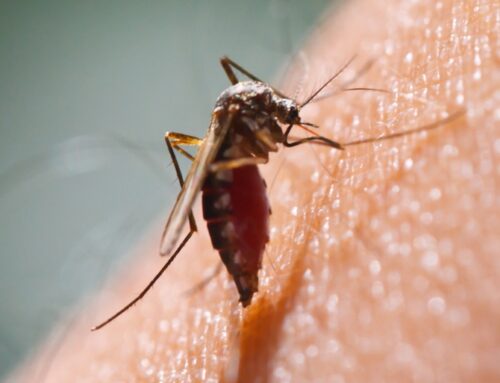
If mosquitoes feel more noticeable around your Waterloo yard this year, you are not imagining it.
Many Waterloo homeowners start seeing heavier mosquito activity once Iowa’s warm weather, humidity, and rainy stretches create the right conditions around the property.

Standing water, clogged gutters, overgrown grass, shaded corners, and damp areas near patios or decks can quickly become mosquito breeding spots.
According to Derek Brownmiller of Bobcat Wildlife & Pest Management, many homeowners are surprised by how little water mosquitoes need to multiply during Iowa mosquito season.
Below, we’ll cover why mosquitoes are so bad this year, how to keep mosquitoes away, and when mosquito control in Waterloo may be worth considering.
What This Guide Covers:
- Why Mosquitoes Become a Bigger Problem Around Waterloo Homes During Iowa Summers
- Common Mosquito Hotspots Around Waterloo Homes That Often Go Unnoticed
- How to Reduce Mosquito Activity Around Your Yard Before It Spreads
- Why Some Waterloo Yards Experience Worse Mosquito Problems Than Nearby Homes
- When Professional Mosquito Control Starts Making Sense for Waterloo Homeowners
- What Waterloo Homeowners Often Misunderstand About Mosquito Prevention
- FAQs About Mosquito Control in Waterloo
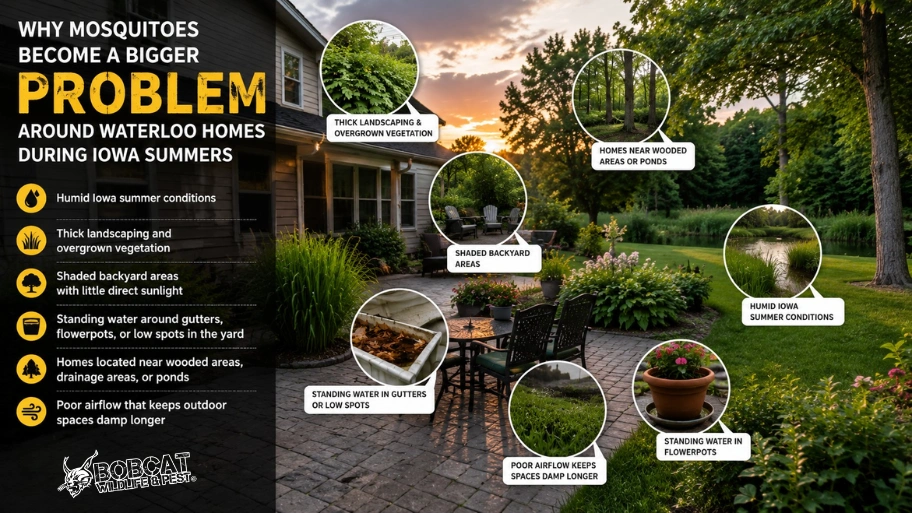
Why Mosquitoes Become a Bigger Problem Around Waterloo Homes During Iowa Summers
Some Waterloo homes naturally deal with more mosquito activity than others once Iowa summer weather settles in.
Warm temperatures, lingering moisture, and shaded outdoor areas can create the perfect environment for mosquitoes to breed and stay active around a property for longer periods of time.
According to the team at Bobcat Wildlife & Pest Management, some of the worst mosquito problems happen around properties where water collects easily and outdoor areas remain damp after rainfall.
Several factors can increase mosquito activity around a Waterloo property, including:
This is one reason many Waterloo homeowners feel like mosquitoes are worse than usual during Iowa mosquito season.
Once summer heat, rain, and humidity start combining regularly, mosquito populations can rise quickly around properties that hold moisture.
Common Mosquito Hotspots Around Waterloo Homes That Often Go Unnoticed
Many homeowners assume mosquitoes are coming from one large water source nearby, but mosquito activity around a property is often caused by several small breeding areas hidden throughout the yard.
According to the team at Bobcat Wildlife & Pest Management, some of the most common mosquito hotspots are areas homeowners walk past every day without realizing they are holding enough moisture for mosquitoes to reproduce.
Some of the most overlooked mosquito hotspots around Waterloo homes include:
One thing many homeowners do not realize is that mosquitoes often lay eggs in areas that repeatedly collect water, even if those spots dry out later.
After the next rainfall, those eggs can hatch quickly and restart mosquito activity around the yard.
Another overlooked issue is that shaded breeding spots are usually spread out across the property rather than concentrated in one place. This makes mosquito problems feel constant because new mosquitoes continue emerging from multiple hidden areas at different times.
That is one reason mosquito activity around Waterloo homes can remain frustrating even when homeowners remove one obvious water source.
In many cases, the problem is not one major hotspot. It is several small moisture-heavy areas working together to keep mosquito populations active throughout Iowa mosquito season.
How to Reduce Mosquito Activity Around Your Yard Before It Spreads
If you are trying to figure out how to get rid of mosquitoes outside, the biggest priority is making your yard less attractive for mosquitoes to breed, rest, and stay active during Iowa mosquito season.
The good news is that small maintenance changes around the property can often reduce mosquito pressure before the problem becomes harder to manage.
Here are several practical ways Waterloo homeowners can help reduce mosquitoes around outdoor spaces:
According to the team at Bobcat Wildlife & Pest Management, one of the biggest mistakes homeowners make is only focusing on adult mosquitoes they can see flying around.
In many cases, the larger issue is the breeding cycle continuing unnoticed around the property after every rainfall.
Another important detail many homeowners overlook is timing. Mosquitoes are usually most active around sunrise and evening hours, especially when the air becomes cooler and more humid. That is often why backyard spaces suddenly feel much worse later in the day even if mosquito activity seemed manageable earlier.
The earlier moisture-prone areas are addressed, the easier it usually becomes to reduce mosquito populations before they spread throughout the yard.
For homeowners wondering how to get rid of mosquitoes in the yard, consistent prevention and moisture control often make a bigger long-term difference than relying on occasional DIY sprays alone.
Why Some Waterloo Yards Experience Worse Mosquito Problems Than Nearby Homes
Some Waterloo properties naturally deal with heavier mosquito activity because certain yard conditions make it easier for mosquitoes to survive, hide, and continue reproducing throughout the summer.
Some of the most common conditions linked to heavier mosquito activity around Waterloo homes include:
These conditions can create cooler resting areas where mosquitoes avoid heat during the day and remain active longer once temperatures start dropping in the evening.
Many people who own homes don’t know that mosquitoes can feel changes in temperature and humidity. Even small differences in airflow, shade coverage, or moisture retention can make one backyard noticeably worse than another nearby.
The Bobcat team also commonly sees mosquito activity increase around properties where multiple moisture-heavy conditions overlap at the same time.
That is why some Waterloo homeowners continue struggling with mosquitoes throughout Iowa mosquito season even when neighboring properties appear to have fewer problems.
When Professional Mosquito Control Starts Making Sense for Waterloo Homeowners
For many homeowners, there comes a point where basic mosquito prevention is no longer enough to keep outdoor areas comfortable during Iowa mosquito season.
This is especially common during stretches of repeated rain, humidity, and warm temperatures when mosquito populations continue rebuilding faster than homeowners can manage them on their own.
Professional mosquito control in Waterloo often becomes worth considering when homeowners start dealing with:
- 1
Heavy mosquito activity shortly after rainfall
- 2
Mosquito problems that return every summer despite DIY efforts
- 3
Backyards that become difficult to enjoy during the evening
- 4
Constant mosquito bites during cookouts or outdoor gatherings
- 5
Large shaded properties with dense landscaping or tree cover
- 6
Homes near creeks, drainage areas, ponds, or moisture-prone ground
According to the team at Bobcat Wildlife & Pest Management, many homeowners wait until mosquito activity becomes severe before looking into professional treatment options.
By that point, mosquitoes are often already reproducing in multiple hidden areas around the property.
One thing that makes mosquito control difficult during peak summer conditions is how quickly mosquito life cycles can restart after rain. Even if adult mosquitoes are temporarily reduced, new mosquitoes can continue emerging from overlooked breeding areas days later.
That is one reason early-season mosquito treatments are often more effective than waiting until mosquito populations become fully established around the yard.
For Waterloo properties with recurring mosquito issues, professional mosquito control is commonly used to help reduce mosquito pressure throughout the season and make patios, decks, and backyard spaces more usable again.
What Waterloo Homeowners Often Misunderstand About Mosquito Prevention
Many homeowners try different ways to keep mosquitoes away during the summer, but certain prevention habits can unintentionally allow mosquito activity to keep building around the property.
According to Derek Brownmiller and the team at Bobcat Wildlife & Pest Management, one of the most common mistakes homeowners make is focusing only on visible mosquito activity instead of the conditions allowing mosquitoes to keep reproducing nearby.
By the time mosquitoes become highly noticeable around patios, decks, or backyard gathering spaces, multiple breeding areas may already be active around the property.
Some other common mosquito prevention mistakes include:
Another issue the Bobcat team commonly sees is homeowners treating mosquito control as a one-time fix instead of an ongoing moisture management issue during Iowa summers.
Mosquito activity can return quickly when shaded breeding areas continue holding moisture after rainfall, especially during stretches of heat and humidity.
One detail many homeowners do not realize is that mosquitoes are often most active during early morning and evening transition periods rather than only after dark. That means outdoor areas may still feel uncomfortable even before sunset if mosquito populations around the property are already high.
For homeowners wondering how to keep mosquitoes away more effectively, long-term prevention usually comes from reducing breeding conditions consistently throughout the season rather than relying only on temporary DIY repellents.
FAQs About Mosquito Control in Waterloo
When do mosquitoes come out in Iowa?
Mosquitoes in Iowa usually start becoming active during the spring once temperatures consistently stay above colder overnight levels.
Activity often increases rapidly from late spring through summer, especially after stretches of rain and humidity.
In Waterloo, homeowners commonly notice mosquito activity becoming more aggressive around evening hours once temperatures and moisture levels rise together for several consecutive days.
Why are mosquitoes so bad this year in Iowa?
Mosquito populations tend to become worse during years with repeated rainfall, high humidity, and warm overnight temperatures.
These conditions allow standing water to remain longer around yards, gutters, landscaping, and drainage areas.
One thing many homeowners overlook is that mosquito populations can rebuild very quickly after storms, especially when new breeding areas continue forming faster than they are removed.
What attracts mosquitoes to my backyard?
Mosquitoes are usually attracted to moisture, shade, body heat, and areas with limited airflow.
Backyards with dense landscaping, standing water, clogged gutters, or shaded seating areas often become more active mosquito zones during Iowa summers.
Properties that stay damp late into the evening also tend to hold mosquito activity longer than drier, sunnier yards nearby.
How do I get rid of mosquitoes in my yard?
Reducing mosquito activity usually starts with removing breeding conditions around the property.
Cleaning gutters, draining standing water, trimming dense vegetation, and improving drainage in low spots can all help reduce mosquito pressure.
Many homeowners make the mistake of focusing only on visible mosquitoes instead of targeting the moisture-heavy areas allowing mosquitoes to keep reproducing.
How do you get rid of mosquitoes outside naturally?
Natural mosquito prevention often focuses on making the environment less attractive to mosquitoes.
Homeowners commonly use outdoor fans, reduce standing water, trim overgrown landscaping, and refresh bird bath water regularly.
Strong airflow can help because mosquitoes are weak flyers and struggle around breezy patios or decks.
How do I keep mosquitoes away from my backyard?
The best long-term approach is reducing the cool, damp areas where mosquitoes rest during the day.
Limiting excess shade, removing hidden standing water, and improving airflow around patios and outdoor gathering areas can make a noticeable difference.
During humid Iowa summers, even small moisture pockets around landscaping can continue supporting mosquito activity if left untreated.
Why are mosquitoes worse after rain in Waterloo?
Rain creates new breeding opportunities around almost every property.
Water can collect inside gutters, patio covers, toys, flower pots, drain extensions, and low areas of the yard.
Warm temperatures after rainfall also speed up mosquito development, which is why homeowners often notice mosquito activity increasing several days after storms move through Waterloo.
Can mosquitoes breed in gutters?
Yes. Gutters are one of the most overlooked mosquito breeding areas around homes.
Leaves, debris, and poor drainage can allow water to sit inside gutters for long periods after rain.
Even shallow standing water inside clogged gutter sections can support mosquito reproduction during Iowa mosquito season.
What areas around a home commonly attract mosquitoes?
Mosquitoes are commonly drawn to shaded, damp areas with limited airflow.
Thick bushes, standing water, bird baths, clogged gutters, overwatered landscaping, and areas beneath decks are frequent mosquito hotspots.
Properties near wooded areas or drainage paths may also experience heavier mosquito pressure during humid summer months.
How do I keep mosquitoes out of my house?
Keeping mosquitoes out of the home usually starts outside.
Reducing mosquito activity near doors, windows, patios, and garages can help lower the chances of mosquitoes entering indoors.
Homeowners should also inspect window screens, door seals, and outdoor lighting areas where mosquitoes may gather during the evening.
Why do mosquitoes come out more at dusk?
Mosquitoes prefer cooler temperatures, higher humidity, and lower sunlight conditions.
Dusk often provides the ideal feeding environment because the air becomes calmer and moisture levels increase.
This is one reason many Waterloo homeowners notice mosquito activity becoming more aggressive around patios and backyards during evening gatherings.
What smells or scents help repel mosquitoes?
Scents like citronella, peppermint, lavender, lemon eucalyptus, and cedar are commonly used to help discourage mosquitoes temporarily.
While these products may help in smaller areas, they usually work best when combined with moisture control and yard maintenance rather than as standalone mosquito solutions.
Do shaded yards attract more mosquitoes?
Yes. Mosquitoes often rest in shaded vegetation during the heat of the day to avoid direct sunlight and dehydration.
Yards with dense tree cover, thick landscaping, or poor airflow frequently create cooler resting areas where mosquitoes can remain active longer during Iowa summers.
Are mosquitoes worse near ponds, creeks, or wooded areas?
They often are. Properties near ponds, drainage areas, creeks, wooded lots, or heavy vegetation usually experience more mosquito activity because these environments provide moisture, shade, and shelter.
However, many mosquito problems still originate directly on residential properties through hidden standing water sources homeowners may not notice.
How often should mosquito treatments be done during Iowa mosquito season?
Treatment schedules can vary depending on rainfall, property size, and mosquito pressure.
During active Iowa mosquito season, recurring treatments are often more effective because rain and humidity can quickly restart mosquito activity around the yard.
Properties with recurring mosquito issues may benefit from more consistent seasonal control.
Is professional mosquito control worth it for large backyards?
For larger properties, mosquito prevention can become much harder because there are usually more shaded areas, landscaping zones, and hidden moisture pockets to monitor.
Professional mosquito control is often worth considering for homeowners struggling to keep outdoor spaces comfortable during peak mosquito season.
Is it safe for kids and pets to use mosquito control?
Professional mosquito control companies typically follow product label requirements and treatment guidelines designed for residential properties.
Homeowners are usually given instructions regarding treatment timing and outdoor access after applications.
Asking questions about products and treatment methods can also help homeowners feel more comfortable about the process.
Can standing water in small containers attract mosquitoes?
Yes. Mosquitoes only need a very small amount of standing water to reproduce.
Plant trays, toys, buckets, folded tarps, clogged drains, and even bottle caps can sometimes hold enough water for mosquito larvae to develop during warmer weeks.
What time of year is mosquito season worst in Iowa?
Mosquito activity in Iowa is usually at its worst during the hotter and more humid parts of summer, especially after repeated rainfall.
Long stretches of warm evenings combined with standing water often create peak mosquito pressure around Waterloo properties.
What can homeowners do early in the season to reduce mosquito problems?
Early prevention usually makes mosquito control much easier later in the summer.
Cleaning gutters, improving drainage, trimming landscaping, reducing standing water, and identifying moisture-prone areas before mosquito populations grow can help reduce seasonal mosquito pressure around the property.

About the Author
Derek M. Brownmiller is the Waterloo Branch Operator for Bobcat Wildlife & Pest Management. A U.S. Army veteran, he is committed to helping homeowners throughout Waterloo and Cedar Falls address wildlife and pest issues with safe, effective solutions.
In addition to serving local customers, Derek is active in his community and enjoys fitness, sports, and spending time with his dog. At Bobcat, he focuses on helping protect homes and businesses while providing practical, long-term wildlife management solutions.