Are you concerned about bats in your home? The ideal time for bat removal in Waterloo is before the start of the winter bat maternity season.

Taking action early ensures that your attic stays protected, minimizes health risks associated with bat droppings, and ensures that the removal process remains legal and humane.

In this guide, we’ll cover why the timing of bat removal is so important, explain what bat maternity season involves, and show you how addressing the issue before it starts can keep your home safe from potential damage.
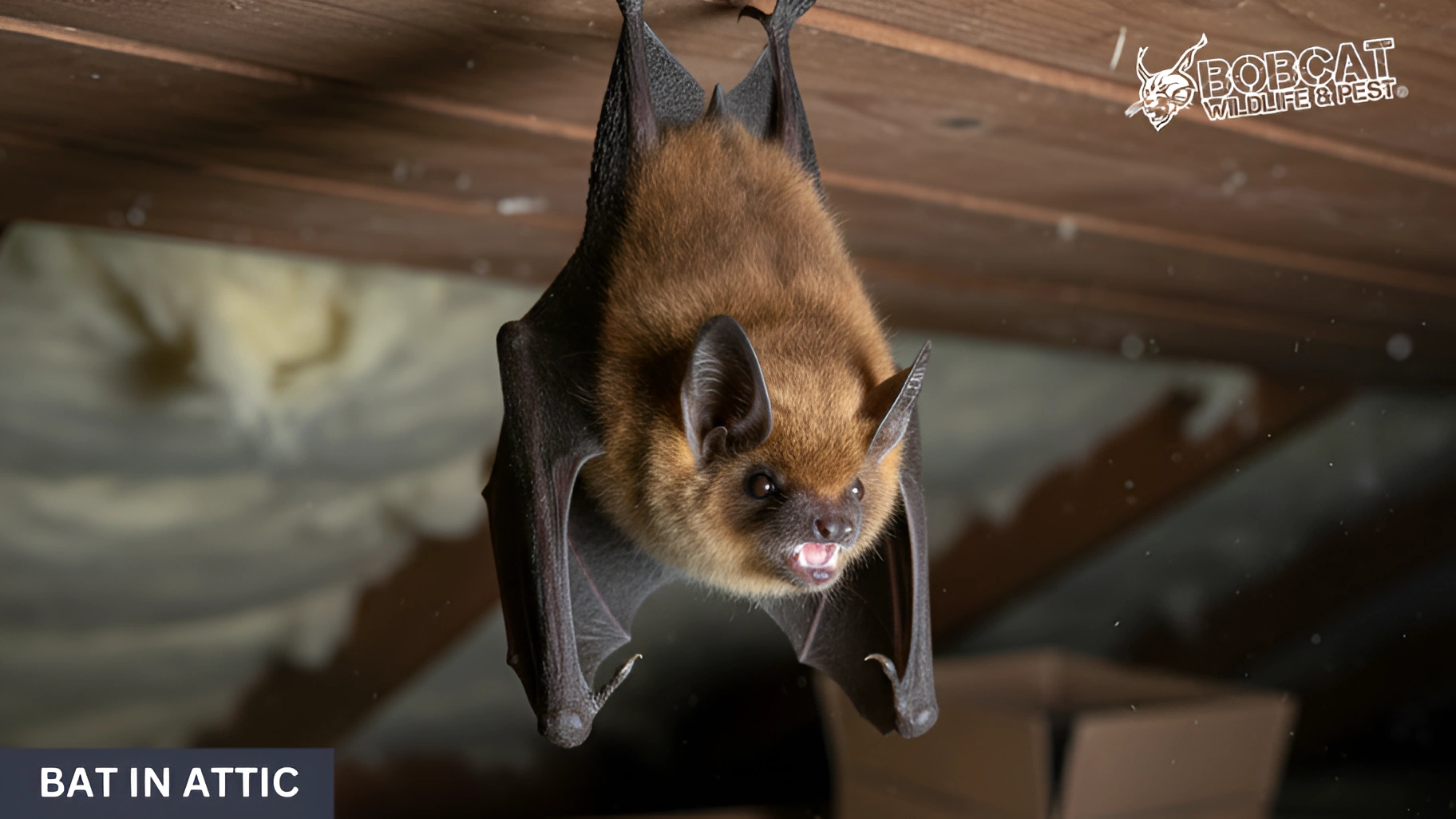
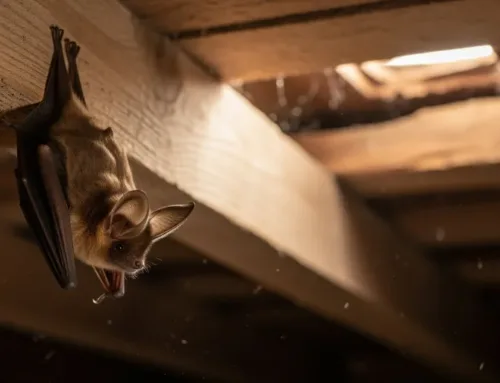
Big Brown Bat in an attic in Waterloo, Iowa, showing why the best time for bat removal is before winter’s maternity season. Bobcat Wildlife & Pest Management

What You’ll Find in This Guide:

What Is Bat Maternity Season, and Why Does It Matter for Your Waterloo Home?

Bat maternity season refers to the time when female bats gather to nurse and protect their young, allowing them to grow strong enough to eventually fly.

During this critical period, baby bats rely entirely on their mothers for survival, making it unsafe to remove them and often restricted by local wildlife regulations.

Here’s why this timing is so important for homeowners in Waterloo:

  • Baby bats can’t fly yet, meaning if entry points are sealed too late, you risk trapping the young bats inside your attic, which can lead to further complications.

  • Local wildlife rules place strict protections on maternity colonies, which limits when professionals are allowed to perform bat removal. Not following these seasonal regulations can lead to legal issues and costly penalties for homeowners.

  • Delaying action results in more activity and mess since the bats will continue to use your attic space until the pups are old enough to fly, leading to increased damage and waste buildup.

By addressing the issue before maternity season starts, you ensure that bat removal is humane, legally compliant with Waterloo’s local wildlife regulations, and much less stressful for your home.
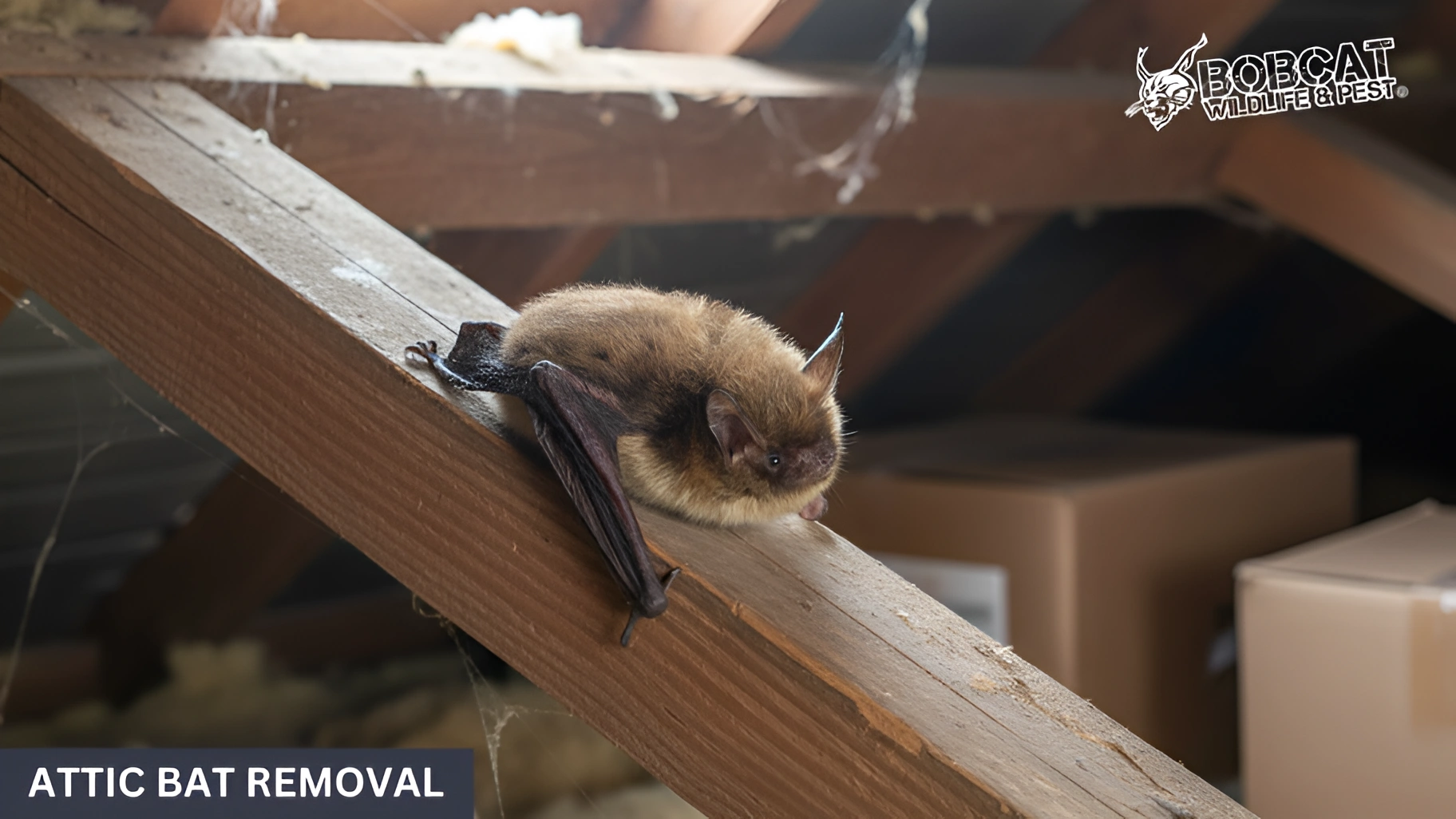
Northern Long-Eared Bat resting on a wooden beam in an attic in Waterloo, Iowa. Learn why the best time for bat removal is before winter’s maternity season. Bobcat Wildlife & Pest Management

When Should I Remove Bats? The Best Time for Bat Removal in Waterloo

The best time to remove bats from your Waterloo home is in late fall or early spring — the months when bats are active but not yet raising newborn pups.

During this period, bats can fly out on their own, which makes the removal process much safer and more predictable.

Here’s why this timeframe is ideal for bat removal:

  • Exclusion devices work effectively during this time, allowing bats to exit without risking the entrapment of vulnerable pups inside your attic.

  • Colony size is generally smaller, leading to a quicker and more efficient removal process.

  • Damage hasn’t worsened, giving you the opportunity to address insulation issues, droppings, and staining before they become bigger problems.

Taking action during this optimal period helps you avoid long delays, higher cleanup costs, and the complications that come once maternity season starts.

If you’ve been hearing scratching noises, noticing bat droppings, or spotting unusual activity in your attic, now is the best time to schedule removal and protect your home.

Why Bat Exclusion Before Winter Is Crucial for Your Waterloo Home’s Safety

As winter approaches in Waterloo, bat behavior inside your home changes significantly.

Cold temperatures drive bats to remain inside your attic for extended periods, creating problems that homeowners may not notice during warmer months.

Here’s what winter can bring when bats are in your attic:

  • Bats burrow deeper into insulation to retain heat, making them harder to locate and more difficult to safely exclude during the colder months.

  • Moisture levels rise, as warm indoor air meets cold attic surfaces, which intensifies guano odors and creates an unpleasant environment.

  • Insulation can get pressed down or take on moisture, which lowers its ability to regulate temperature and forces your heating system to use more energy to keep the home warm.

  • Small gaps expand in the cold, providing more opportunities for bats to slip through or find new hiding spots.

  • Indoor sounds become more noticeable, as bats spend more time roosting in your attic instead of leaving to forage for food.

Addressing the issue before winter sets in prevents these cold-weather complications from worsening.

Early exclusion ensures your attic remains drier, easier to secure, and less likely to become a long-term home for a growing bat colony.

How Can I Tell If Bats Are in My Attic in Waterloo?

Bats are experts at staying hidden, which is why many Waterloo homeowners don’t realize they have a problem until the signs become too obvious to ignore.

If you’re unsure whether bats are in your attic, here are the most common clues to look out for:

  • Small piles of guano near beams, insulation, or along attic walls. Bat droppings often accumulate in areas where bats roost.

  • A musty or sharp odor that intensifies as heat rises and circulates air from the attic into your home. The smell of guano or bat urine is distinct and can become overwhelming over time.

  • Light scratching, chirping, or fluttering sounds, particularly around dusk or just before dawn, when bats are most active.

  • Dark or greasy marks around gaps or entry points, left by the oils on bats’ fur as they squeeze in and out of small openings.

  • Unexpected drafts or cool spots in your attic, which may indicate openings that bats are using to enter or exit.

If any of these signs sound familiar, it’s crucial to schedule an attic inspection as soon as possible.

Early detection helps make the removal process more straightforward and prevents a small bat colony from turning into a larger, more difficult-to-manage problem in your home.

How Does the Bat Removal Process Work in Waterloo?

Once you confirm that bats are inside your attic, the next step is understanding how a professional handles the situation in a safe, humane, and efficient manner.

The process is designed to protect your home, comply with Waterloo’s wildlife guidelines, and remove bats without causing harm to them.

Here’s how a typical bat removal service works for Waterloo homeowners:

  • 1

    Inspection

    A trained specialist will thoroughly inspect your attic, roofline, and siding to identify where bats are roosting and the exact entry points they’re using. This helps craft a safe and effective plan tailored to your home’s specific needs.

  • 2

    Exclusion

    Professionals use specialized exclusion devices to allow bats to exit the attic while preventing them from re-entering. This process ensures a safe and effective removal without disturbing the bats’ natural behaviors or trapping any animals inside.

  • 3

    Sealing Entry Points

    After the bats have safely exited, all gaps, cracks, and openings are sealed off to prevent future access. This is a critical step to ensure your attic remains secure and bat-free for years to come.

  • 4

    Cleanup and Optional Restoration

    Cleanup services are offered for bat guano, damaged insulation, or other contaminated materials. Restoring the attic improves air quality, eliminates odors, and enhances your home’s energy efficiency by replacing damaged insulation.

The entire process is humane, effective, and most reliable when performed by professionals who understand bat behavior and comply with Waterloo’s local wildlife regulations.

By timing your bat removal correctly, you ensure that the entire process is done properly from start to finish, leaving you with long-lasting peace of mind.

Why Should I Choose a Professional Bat Removal Service in Waterloo?

While trying to remove bats on your own may seem like a simple solution, it can quickly lead to bigger problems.

Without the right training and tools, you risk accidentally trapping bats inside walls, injuring them, or even violating Waterloo’s wildlife regulations during protected seasons.

A professional ensures everything is handled safely and in compliance with local laws from the start.

Here’s why choosing a specialist matters:

  • Proper tools and techniques prevent injuries and ensure bats can exit your home safely without harm.

  • Knowledge of Waterloo’s removal regulations protects you from inadvertently breaking laws tied to maternity season and other wildlife protections.

  • Thorough inspections help identify all potential access points, ensuring bats can’t re-enter once they’ve been removed.

  • Humane exclusion methods guarantee that the removal process is safe for both the bats and your home, while restoring your attic to a secure and bat-free condition.

At Bobcat Wildlife & Pest Management, we use proven, humane methods — including one-way exclusion devices and meticulous sealing — to effectively remove bats before maternity season begins.

Choosing a professional service gives you the peace of mind that the job will be done right, legally, and in a way that protects your home for the long-term.

What Happens If I Wait Too Long to Remove Bats?

Waiting to address a bat problem may feel harmless at first, but the longer bats remain in your attic, the more difficult and costly the situation can become.

Delaying removal often leads to bigger repairs and a more complicated exclusion process.

Here’s what can happen when bats stay in your attic too long:

  • 1

    Structural damage increases
    Guano, urine, and frequent roosting can spread through insulation and wood, leading to staining, deterioration, and lingering odors.

  • 2

    Health concerns become more serious
    Accumulated droppings can introduce bacteria and strong smells that travel into your living areas as warm air rises.

  • 3

    Removal gets more challenging
    Bats tend to move deeper into tight, hidden spaces, making it harder for professionals to reach them safely.

  • 4

    Cleanup and repairs cost more
    The longer the colony remains, the more extensive the sealing, sanitizing, and restoration work becomes.

Handling the issue before bat maternity season begins helps you avoid these problems and keeps the process simple and humane.

Scheduling removal sooner rather than later is the most reliable way to protect your home and prevent long-term damage.

Key Takeaways for Waterloo Homeowners

Before bats settle in for the winter or begin their maternity season, taking action early is crucial.

The sooner you address bat activity in your Waterloo attic, the smoother and safer the removal process will be.

Acting now helps you avoid structural damage, health issues, and the additional repair costs that arise from delaying action.

Here’s a quick recap:

  • The best time for bat removal is before maternity season starts, when bats are still mobile and easier to exclude safely.

  • Early removal protects your attic materials, including insulation, wiring, and wooden structures, from damage caused by bat activity.

  • Winter conditions make removal more difficult, as bats retreat into harder-to-reach, deeper areas of your attic.

  • Professional bat exclusion ensures compliance, humane removal methods, and long-term protection for your home.

If you’re noticing signs of bat activity — whether through sounds, droppings, or unusual behavior — now is the best time to take the next step.

Contact Bobcat Wildlife & Pest Management today to schedule an inspection and keep your Waterloo home protected year-round.

FAQs About Bat Removal in Waterloo

The best time for bat removal in Waterloo is before maternity season starts, typically in late fall or early spring.

During this window, bats are mobile, and the exclusion process is both safer and legally compliant.

This is the ideal period to address bat activity, as it ensures minimal disruption to the colony and your home.

During maternity season, mother bats care for their pups, who are unable to fly.

Attempting removal at this time could separate mothers from their young, leading to inhumane conditions and potential legal issues.

It’s important to wait until the pups can fly, ensuring both humane and lawful removal.

Bat maternity season in Waterloo typically spans from late spring through summer, usually from May to August.

During this time, female bats give birth to their pups, and the colony is most vulnerable.

Professional removal services usually pause during this period to protect the young bats and ensure legal compliance.

Attempting to remove bats during maternity season risks separating mothers from their pups, which can lead to young bats being trapped inside your attic and dying.

This can result in unpleasant odors, increased cleanup costs, and legal consequences. It’s always safer to wait until the young are capable of flight before proceeding with removal.

Fall is the ideal time for bat exclusion in Waterloo because bats are preparing for migration or transitioning to their winter roosts.

They are more mobile and no longer caring for young, which makes exclusion devices more effective and the process more humane.

Winter removal is possible, but it is much more difficult. Cold temperatures drive bats deeper into insulation and other hidden areas of the attic, making it harder to locate them.

Although removal can still occur, professionals recommend acting before winter to avoid complications and ensure a safer and more efficient process.

Signs that bats may be residing in your attic include:

  • Accumulating piles of guano near beams or insulation
  • Scratching, fluttering, or squeaking sounds, especially at dusk or dawn
  • Stains or smudges near entry points
  • A strong, musty odor coming from the attic
  • If you notice any of these signs, it’s time to schedule a professional inspection.

Bat removal season refers to the time when bats are mobile and exclusion can be safely and legally carried out—typically in late fall and early spring.

Maternity season, on the other hand, is when mother bats are caring for their pups, and removal is restricted to protect the young bats.

In Waterloo, as in most areas, it is illegal to remove bats during maternity season.

Wildlife laws protect the bats during this time to ensure their survival and well-being.

If these regulations are ignored, homeowners can face penalties and may end up responsible for further restoration or sanitation work.

In a humane exclusion setup, professionals install devices that guide bats out of your home and stop them from re-entering through the same openings.

Once all bats have safely left, all entry points are sealed off to ensure the attic remains bat-free.

This method is safe for both the bats and your home, preserving local ecosystems.

The duration of bat removal depends on factors such as the colony size and the number of entry points.

Most projects wrap up within a few days, but it’s not unusual for the process to take up to a week when multiple entry points are involved.

Cleanup services may add extra time, especially if there is significant guano buildup or insulation damage.

DIY bat removal is risky. Without the right training and equipment, you could harm the bats, accidentally trap them inside your walls, or violate wildlife laws.

Professionals have the knowledge and tools necessary to handle bat removal safely, especially during the best time for bat removal in Waterloo.

Bats can introduce several risks to your home and health, including:

  • Guano buildup, which can damage insulation and compromise your home’s energy efficiency
  • Strong, unpleasant odors that spread through the home
  • Parasite infestations, such as mites or fleas
  • The potential (though rare) for rabies transmission
  • While bats don’t intentionally damage homes, their presence can lead to costly long-term issues.

The price of bat removal in Waterloo depends on several factors, such as the size of the bat colony, the number of entry points identified, and whether cleanup or repairs are necessary.

Homeowners typically pay anywhere from a few hundred to several thousand dollars for a comprehensive removal service.

The investment is worth it, as professionals help prevent future bat infestations, saving you money in the long run.

If you find a baby bat, do not touch it. Baby bats are delicate and require expert handling.

Contact a professional immediately, who can safely reunite the pup with its colony or advise on the best course of action without violating maternity-season restrictions.

Professionals use durable materials such as caulking, mesh, and metal flashing to seal even the smallest gaps (as small as ⅜ inch).

Once the bats have been safely excluded, every potential entry point is sealed to ensure that no bats can re-enter your home.

The fastest and safest way to handle bat removal is to schedule a professional inspection during bat removal season (late fall or early spring).

Experts can quickly install exclusion devices and seal entry points, ensuring a humane and legally compliant process.

Bats are attracted to attics because they offer warmth, darkness, safety, and quiet.

The small gaps in roofing or fascia provide easy entry, while insulation creates an ideal roosting area, especially during colder months when bats seek a protected, warm environment.

If all entry points are properly sealed, bats are unlikely to return.

Professional services ensure that your attic is thoroughly sealed, preventing re-entry and keeping your home safe from future infestations.

To prevent future bat infestations, take the following steps:

  • Seal any cracks or openings around the roofline and fascia
  • Repair loose shingles or siding
  • Install screens over attic vents and chimneys
  • Schedule annual inspections to ensure your attic remains bat-free
Derek M. Brownmiller
About the Author

Derek M. Brownmiller is the Waterloo Branch Operator for Bobcat Wildlife & Pest Management. A U.S. Army veteran, he is committed to helping homeowners throughout Waterloo and Cedar Falls address wildlife and pest issues with safe, effective solutions.

In addition to serving local customers, Derek is active in his community and enjoys fitness, sports, and spending time with his dog. At Bobcat, he focuses on helping protect homes and businesses while providing practical, long-term wildlife management solutions.