Seen winged bugs flying near your windows? Or found tiny wood shavings by the baseboards?
In Waterloo, those are often the first signs of a termite problem—and knowing how to get rid of termites quickly can make all the difference.
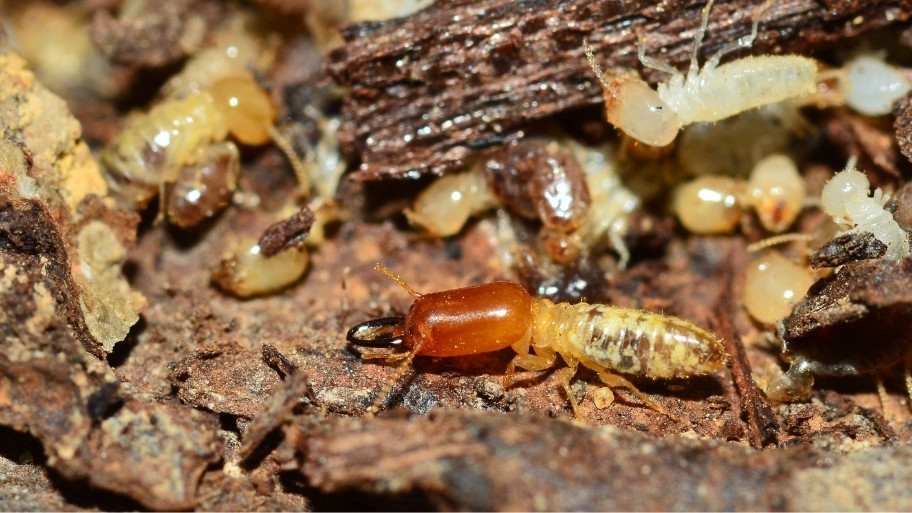
Once termites get inside, they don’t wait—they eat through wood fast, quietly causing damage that’s expensive to undo.
If you’re seeing signs, this guide walks you through what to look for and what to do next—so you can stop the damage and protect your home before it spreads.
Spot the Signs: How to Tell if Termites Are Really the Problem
The first step in stopping a termite problem is confirming that it’s actually termites—not something else.
Not all springtime pests cause serious damage, but termites do—and fast. Here’s how to tell if that’s what you’re dealing with:
Still unsure?
Termites and flying ants get confused all the time. The quick visual check: Termites have straight antennae, thick waists, and equal-length wings.
If anything on this list looks familiar, it’s time to act. The earlier you confirm the problem, the easier—and less expensive—it is to stop.
Why Spring Makes Termite Infestations Worse in Waterloo, IA
Termite season hits hard in Iowa—and in Waterloo, spring weather creates the perfect conditions for colonies to spread fast.
Why Spring Conditions Matter
After the first warm rainfalls, established termite colonies release swarmers to start new nests. While spotting a few flying termites may not seem urgent, it usually means there’s already a mature colony nearby—and they’re looking for a new place to grow.
This is the stage when most infestations begin.
How Termites Take Hold in Local Homes
Waterloo homes often have exactly what termites need: damp soil, shaded siding, and tiny cracks along the foundation. Once a few swarmers find a way inside, they drop their wings, settle in, and start expanding.
Most of the time, it happens quietly—behind walls, under flooring, or in crawlspace. Without early action, damage adds up fast.
Signs Your Home Could Be at Risk This Spring
You may be more vulnerable if your home has:
If that sounds familiar, now’s the time to act—before swarmers become a full-blown infestation.
Up next, we’ll break down how to get rid of termites fast using proven methods that work in Waterloo’s spring conditions.
How to Get Rid of Termites Fast and Effectively in Waterloo, IA
Once you’ve confirmed termite activity, the next step isn’t to wait—it’s to act fast. In Waterloo, spring conditions make homes especially vulnerable to fast-moving termite damage, so getting ahead of it matters.
Here are the three most effective termite treatments and when they work best for homes in this area.
1. Soil Treatments
This method involves applying a termiticide barrier around your home’s foundation. It works by killing termites in the soil before they can reach your structure—and it delivers fast results.
Why it’s a good fit in Waterloo:
If swarmers just showed up or you’re seeing signs near the foundation, this is one of the simplest and effective methods to stop the spread before it worsens.
2. Wood Treatments
Wood treatments target the areas where termites are already active—soaking into the wood to eliminate termites from the inside out.
When to consider this approach:
Wood treatments work best as a focused strategy to stop what’s already started—especially in parts of your home where wood stays moist or shaded.
3. Bait Stations
Bait stations are placed discreetly in hotspots around your property to attract termites. Once they consume the bait, they carry it back to the colony—helping eliminate it over time.
Why it helps:
While bait stations aren’t the fastest fix, they’re a smart tool to help prevent future problems once active termites are cleared out.
So, What’s the Best Option for Waterloo Homes?
In most cases, soil treatments are the go-to for fast, reliable results—especially in early spring when swarmers are first spotted.
But the best approach often combines methods: treating the soil to stop current activity and adding wood or bait treatments to prevent future damage.
If you’re unsure where to start, no worries—up next, we’ll show you how to choose the right plan for your home and when to call in a pro.
DIY Termite Control vs. Professional Help: What Waterloo Homeowners Should Know
After learning about termite treatment options, you might be wondering—can I handle this myself?
The honest answer: sometimes—but only for small, isolated problems. When it comes to protecting your home in Waterloo, IA, there are a few key things to consider.
DIY Termite Control Has Limits
If termites are only in a small area—like a detached shed or deck—you might slow them down using sprays or foams from the hardware store. But that’s often where DIY stops being effective.
Most store-bought products kill only what’s on the surface. They don’t reach the colony underground or behind walls, which is where the real damage happens.
And while DIY might look like the cheaper option, it often just gives termites more time to spread—and costs you more in the long run.
When to Call a Professional
If you’ve spotted swarmers, mud tubes, hollow wood, or repeat activity, it’s time to call in a licensed pro.
Professional termite specialists use tools and treatments that go far beyond what’s available to the public—and they know how to get to the source of the problem, not just the symptoms.
Here in Waterloo, where spring weather can trigger fast-moving infestations, a local expert will know exactly where to look—and how to stop termites before they cause serious damage.
Why Local Inspections Make a Difference
Even if you’re not seeing damage yet, a professional inspection can give you clarity, confidence, and peace of mind.
At Bobcat Wildlife & Pest Management, we know what Waterloo homes are up against—and we’re here to help you catch problems early and stop them the right way.
Think you might have termites? Let’s take a look before it gets worse.
How to Prevent Termites from Coming Back
After you’ve dealt with termites once, you never want to deal with them again—and the best way to protect your Waterloo home is to make sure they can’t come back.
The good news? A few simple changes around your property can go a long way.
1. Get Moisture Under Control
Termites thrive in damp soil and shaded areas—something many Waterloo homes have in the spring. That’s why managing moisture is your first line of defense.
Dry conditions make your home much less inviting to termites.
2. Separate Wood from Soil
When wood touches the ground, termites can move in without being seen. That’s why keeping a gap between soil and wood is key.
Even a few inches of space can help break the connection.
3. Seal Small Gaps and Cracks
It doesn’t take much for termites to sneak in. Walk around your home and check for:
Sealing those up helps with pest prevention—and energy efficiency too.
4. Schedule Regular Termite Inspections
Even if you’ve never had termites, inspections help catch signs early before damage builds up. Spring is the best time for a termite check, especially in Waterloo, when swarming is most active.
If you’ve had issues in the past or want to be proactive, a quick visit from a local expert is a smart way to stay ahead.
A small prevention now can save you from expensive repairs later.
Need Fast Help? Call Bobcat Pest – Waterloo’s Termite Experts
If you’ve seen termite signs—or you’re just not sure yet—it’s okay to need a second opinion. At Bobcat Wildlife & Pest Management, we’ve been helping Waterloo homeowners protect what matters most with fast, local termite control that works.
📞 Ready to act? Reach out today for an inspection or treatment plan that fits your home:
📍 Serving Waterloo, Cedar Falls, Waverly, and nearby communities
📱 Call (641) 330-6567
📧 Or request a visit online anytime
Whether you’ve noticed swarmers, suspect hidden damage, or want to make sure termites don’t come back—we’re here with solutions that make sense for your home and your peace of mind.
Quick Termite FAQs for Waterloo Homeowners
Still wondering what to do next? Here are answers to a few of the most common questions we hear from Waterloo homeowners during termite season—plus what can happen if you wait too long to take action.
Still not sure what you’re dealing with? Give Bobcat Wildlife & Pest Management a call—we’ll help you make sense of the signs and protect your home before the damage adds up.

About the Author
Derek M. Brownmiller is the Waterloo Branch Operator for Bobcat Wildlife & Pest Management. A U.S. Army veteran, he is committed to helping homeowners throughout Waterloo and Cedar Falls address wildlife and pest issues with safe, effective solutions.
In addition to serving local customers, Derek is active in his community and enjoys fitness, sports, and spending time with his dog. At Bobcat, he focuses on helping protect homes and businesses while providing practical, long-term wildlife management solutions.