What You’ll Learn About Removing Wasp Nests Safely:
Quick Answer: What’s the Best Way to Remove a Wasp Nest Without Getting Stung?
Spotting a wasp nest near your deck, shed, or entryway in Waterloo? Don’t reach for that spray can just yet.
The safest approach to how to safely remove a wasp nest starts with keeping your distance and evaluating where it’s located and how large it is. If there’s any risk to your safety, property, or loved ones, your best move is to contact a licensed pest control specialist immediately.
For small, inactive nests in open spaces, some homeowners can try using long-distance wasp spray at dusk—but only with the right precautions.
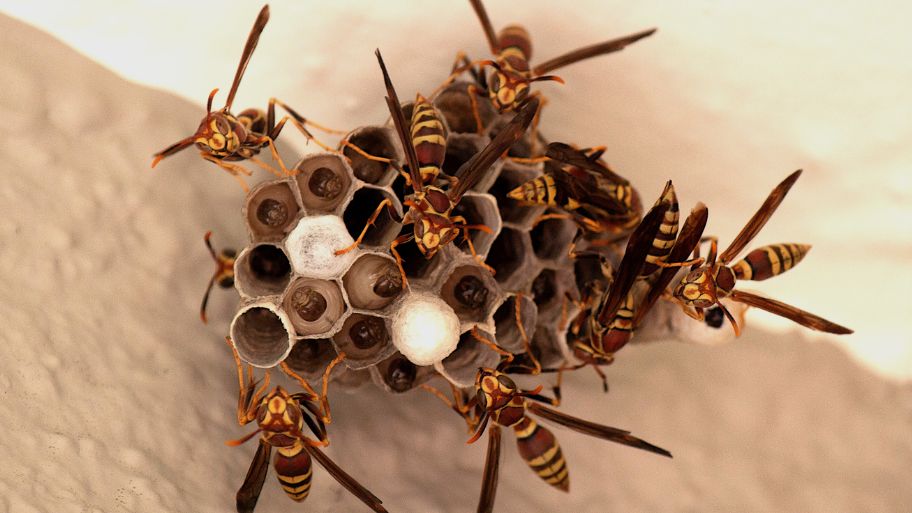
However, if the nest is active, hard to reach, or located where kids and pets play, calling in professionals is the smart (and sting-free) choice.
Locally trusted throughout Waterloo, Bobcat Wildlife & Pest Management removes wasp nests quickly, safely, and without putting your family at risk—so you don’t have to take any chances.
Should You Try Removing a Wasp Nest Yourself?
Thinking about how to get rid of wasps on your own? You’re not the only one. Plenty of Waterloo homeowners consider DIY options the moment they spot wasp activity near the home.
So, is it a good idea? Honestly—it depends on both the situation and your comfort level.
Before deciding how to proceed, ask yourself these important questions:
- 1
Where is the nest located? If it’s tucked into wall voids, hanging under the roofline, or positioned close to patios, sheds, or play areas, removal could put you at serious risk.
- 2
Is the nest active and expanding? A growing colony can become aggressive if disturbed, especially during peak summer months.
- 3
Are there any sting allergies in your household? If you or a loved one has a known allergy, even a single sting could lead to a medical emergency.
While some small, inactive nests may be manageable with the right tools and timing, many DIY attempts go sideways because homeowners misjudge the threat—or the speed at which wasps defend their territory.
When in doubt, don’t risk it. Getting stung (or worse) isn’t worth it.
The local team at Bobcat Wildlife & Pest Management has years of experience handling wasp nests of all types throughout Waterloo. We’re trained, licensed, and ready to resolve the issue quickly—so you stay safe and stress-free.
How to Remove a Wasp Nest Safely: A Step-by-Step DIY Guide
If you’re confident in your ability to handle the situation, here’s a detailed, safety-focused guide on how to remove a wasp nest safely—using a calm and cautious approach.
🧰 What You’ll Need:
🪜 Step-by-Step Process:
- 1
Wait for dusk or early morning – Wasps are far less active when temperatures drop and light is low.
- 2
Move slowly and stay quiet, making sure you’re not standing in the nest’s direct flight path.
- 3
Spray from a distance using the insecticide or soapy mix. Fully soak the nest, then back away calmly.
- 4
Keep an eye on the area from a safe distance for 24 hours. If wasps are still active, repeat the spray the next evening.
- 5
Once there’s no activity, use your long tool to knock the nest into a sealed trash bag. Avoid any direct contact.
- 6
Tie the bag securely and toss it into a tightly lidded outdoor bin, far from where people or pets gather.
⚠️ Important: Avoid DIY completely if the nest is high up, inside walls or eaves, or surrounded by aggressive wasps.
If any part of this feels too risky—or if you’re simply not sure—don’t take the chance. Bobcat Wildlife & Pest Management helps Waterloo homeowners remove wasp nests safely and efficiently, using expert tools and proven techniques.
What Wasp Nests Look Like (and Where They’re Hiding Around Your Waterloo Home)
That odd lump on your porch ceiling or tucked behind the shed? It might be a wasp nest—but it helps to know for sure before taking action. Use this guide to recognize common wasp nests found around Waterloo homes and gardens.
Paper Wasps
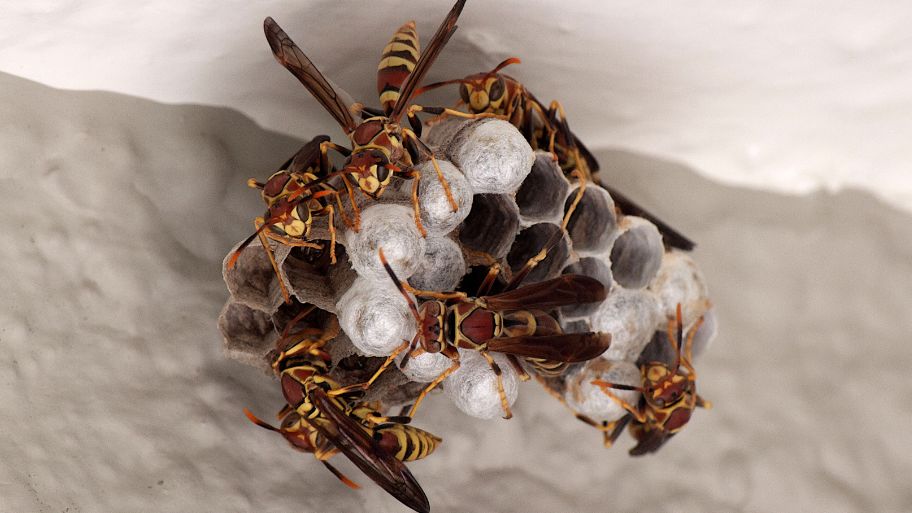
Shape: Open, umbrella-like structure with visible hexagon cells
Size: Typically small to medium
Texture: Light gray, dry, and papery
📍 Typical locations: Hanging under roof eaves, porch ceilings, or attached to railings and deck beams
Yellowjackets
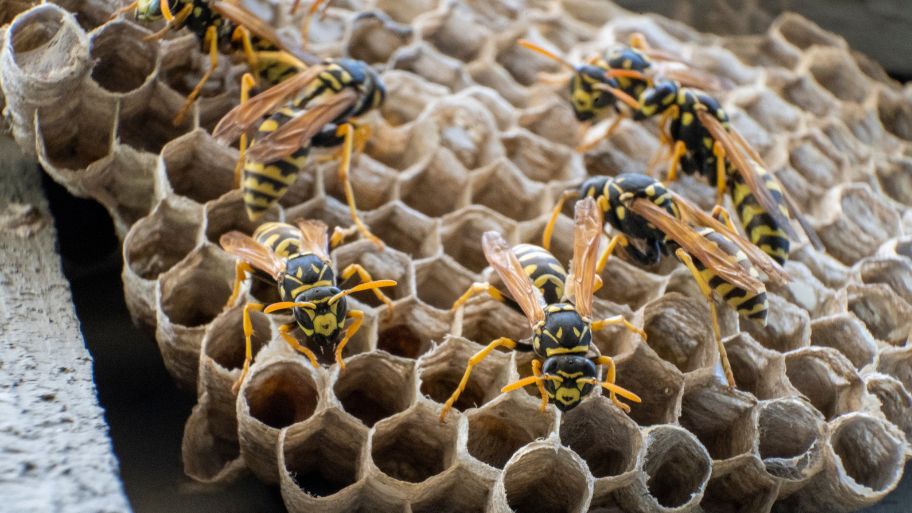
Shape: Fully enclosed, oval or football-shaped
Material: Thick paper-like walls
Behavior: Often aggressive when disturbed
📍 Where they hide: Underground burrows, wall voids, behind house siding, or in piles of debris
Bald-Faced Hornets (a type of wasp)
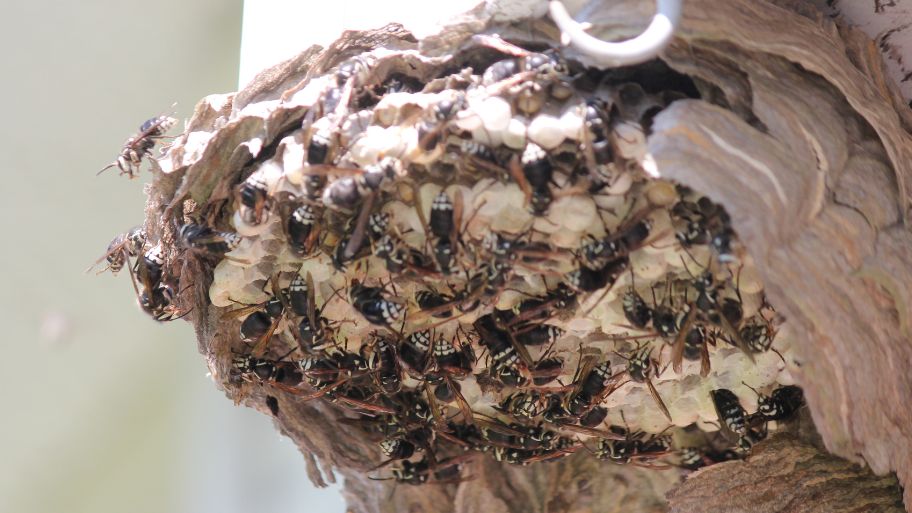
Shape: Large, round nest that looks like a gray paper balloon
Size: Often as big as a basketball
Structure: Completely enclosed, usually out of easy reach
📍 Common spots: Tree branches, corners of sheds, high rooflines, or utility poles
🌱 Unexpected Nesting Sites Around Your Home and Garden
Wasp nests aren’t always easy to spot—especially early in the season. In Waterloo, many homeowners discover them in places they rarely check, including:
If you’ve noticed wasps coming and going from a specific area but can’t find a nest, it may be stashed in a shaded crevice or overgrown corner of your yard.
Knowing what to look for makes all the difference. Whether you’re monitoring activity or considering next steps, understanding how to get rid of a wasp’s nest gives you the clarity to act with confidence—or call in expert help when needed.
How to Keep Wasps Away (and Stop Nests from Coming Back)
After removing a wasp nest, the last thing you want is another one popping up nearby. The good news? A few smart changes around your Waterloo home and yard can make a big difference in keeping wasps from returning.
Here’s how to discourage wasps from settling in—and help prevent nests from forming in the first place.
🧱 1. Seal Up Nesting Spots
Wasps look for small, sheltered gaps to start building. Do a walkaround and inspect:
- Spaces around soffits, attic vents, or rooflines
- Cracks near siding, windows, and trim
- Gaps in garages, sheds, or porch ceilings
Use weatherproof caulk, mesh screens, or sealant to close these entry points—ideally before wasp season ramps up in spring.
🗑2. Minimize Food and Scent Trails
Wasps are attracted to anything sweet, meaty, or sticky. To reduce their interest:
- Keep trash bins tightly closed
- Rinse soda cans and food containers before recycling
- Don’t leave pet food or leftovers outside
- Harvest ripe fruit and clean up fallen produce in your garden
This is especially helpful if you’ve noticed wasps around compost bins, fruit trees, or picnic areas.
🌿3. Tidy Up the Yard
Overgrown or cluttered spaces create easy nesting grounds. Stay ahead of the season by:
- Pruning shrubs and trimming low-hanging branches
- Clearing out unused lawn furniture, firewood piles, or play equipment
- Checking shady corners and deck areas for early signs of nest-building
🪶4. Try Natural Wasp Repellents
Some homeowners find extra peace of mind using natural or visual deterrents, such as:
- Hanging fake wasp nests (wasps avoid building near another colony)
- Planting mint, lemongrass, or wormwood around patios
- Spraying peppermint or clove oil mixtures near entry points
While not foolproof, these tactics may help reinforce your prevention strategy—especially in known problem areas.
☀️ Want to enjoy a wasp-free summer in Waterloo? The key is starting early.
A few proactive steps now can help protect your outdoor spaces all season long—no stings, no stress.
When to Call a Wasp Control Expert in Waterloo
Still debating whether to remove that wasp nest yourself? Here’s a good rule of thumb: if safety, location, or uncertainty is an issue—it’s time to call in a pro.
Here are clear signs that DIY just isn’t worth the risk:
⚠️ The Nest Is Out of Reach
Nests in hard-to-access spots—like under roof shingles, inside attic vents, or buried underground—are much more dangerous to tackle without professional equipment.
🐝 Wasp Behavior Is Aggressive
If the wasps start swarming when you approach—or if you’re unsure how active the nest is—it’s safer to let trained experts assess and treat the situation.
👪 Kids, Pets, or Allergies Are Involved
Wasp stings can escalate quickly, especially if someone in your home has a known allergy or limited mobility. It’s never worth taking chances.
🛑 You’re Not Completely Sure How to Safely Remove a Wasp Nest
If you’re second-guessing any part of the process—from timing to tools—it’s better to stay safe and let a professional take over.
At Bobcat Wildlife & Pest Management, we’ve helped hundreds of Waterloo families eliminate wasp nests with care, speed, and zero stings. When you call us, you’re getting:
- A locally trusted and fully licensed team
- Fast response times, especially during summer peak
- Thorough, low-disruption treatments that keep your home safe
- A commitment to protecting your family and outdoor space
No matter where the nest is or how active it’s become, we’ll handle it quickly and professionally—so you never have to wonder how to get rid of wasp nest on your own again.
Serving Waterloo and the surrounding area, Bobcat Wildlife & Pest Management is here to help you get rid of wasp nests for good.

About the Author
Derek M. Brownmiller is the Waterloo Branch Operator for Bobcat Wildlife & Pest Management. A U.S. Army veteran, he is committed to helping homeowners throughout Waterloo and Cedar Falls address wildlife and pest issues with safe, effective solutions.
In addition to serving local customers, Derek is active in his community and enjoys fitness, sports, and spending time with his dog. At Bobcat, he focuses on helping protect homes and businesses while providing practical, long-term wildlife management solutions.